
Saint-Éloi Church
The salt air of the North Sea still seems to cling to the bricks of Saint-Éloi, a church that stands less like a monument and more like a rugged survivor of Dunkirk's storms.
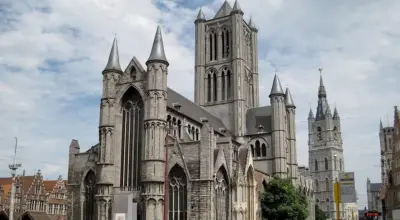
St. Bavo's Cathedral
Crossing the threshold of St. Bavo’s isn't a simple visit; it's a descent into the dark Romanesque foundations before climbing back into the light of the Van Eycks' genius.
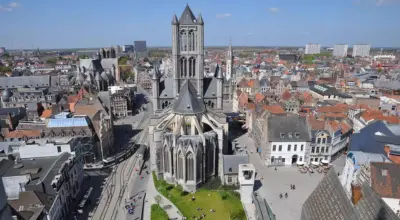
St. Nicholas' Church
Standing between the market stalls and the river Lys, St. Nicholas' Church is a dark stone sentinel that reminds every visitor that in Ghent, business and belief have always walked hand in hand.
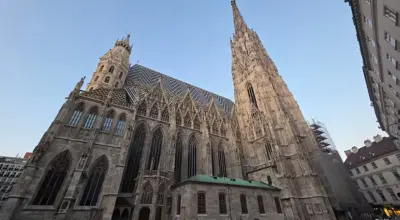
St. Stephen’s Cathedral
Stephansdom is more than a monument; it's a living act of survival, standing stone-by-stone at the very intersection of Vienna's imperial past and its modern pulse.
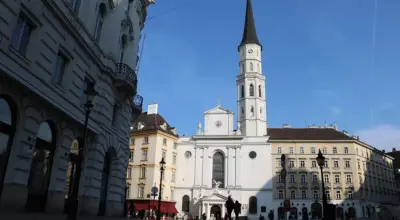
St. Michael's Church
Standing at the intersection of Roman ruins and the Hofburg, Michaelerkirche is a silent witness to royal vows and the eerie endurance of Vienna's buried history.
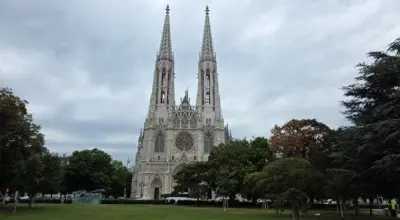
Votive Church
The Votive Church is a monument to a miracle that never happened—an assassination that failed—leaving behind a stone forest of Gothic spires that still defines the Viennese Ringstrasse.
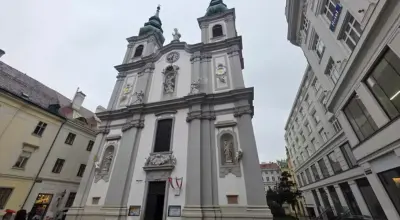
Mariahilf Church
Nestled between modern storefronts, the Mariahilf Church is a silent whisper of Baroque grace, proving that even in the middle of a shopping spree, Vienna's imperial soul is never more than a few steps away
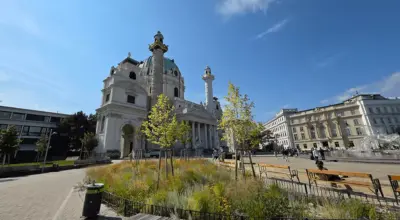
Karlskirche
Karlskirche isn't just a place to look up; it's a place that invites you to go up—bridging the gap between the heavy stone of the plague years and the light of the Baroque heavens.
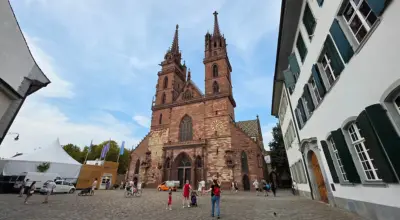
Basel Minster
The red stone of the Minster doesn't just hold up a roof; it holds the entire memory of Basel, from medieval quakes to Renaissance debates.
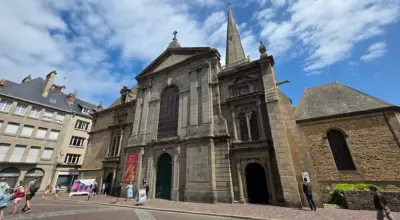
St. Vincent Cathedral
Saint-Vincent isn't just a church; it's a granite anchor for a city that has spent centuries battling the tides of the Atlantic and the scars of war.
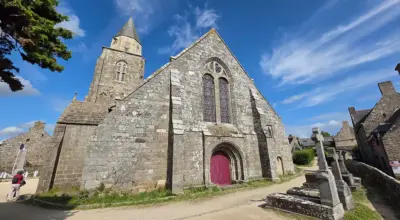
Church of Saint-Suliac
The Church of Saint-Suliac doesn't need gold or glitter; its power lies in 700 years of granite silence and the steady gaze of its tower toward the river.

Saint-Méen Church
In Saint-Méen, the prayers smell like salt and the model ships in the aisles remind every visitor that in Cancale, the sea and the sanctuary are one and the same.
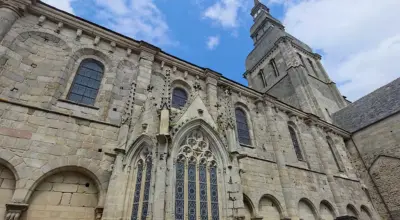
Basilica of Saint-Sauveur
Saint-Sauveur is where Dinan’s history gets physical—a place where the heartbeat of a legendary knight still seems to echo through a chaotic, beautiful forest of stone.
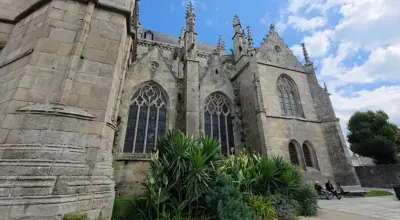
Church of Saint-Malo
In the northern corner of Dinan, the Church of Saint-Malo stands as a granite testament to Breton pride, where the light of the glass and the sound of the pipes have echoed for half a millennium.
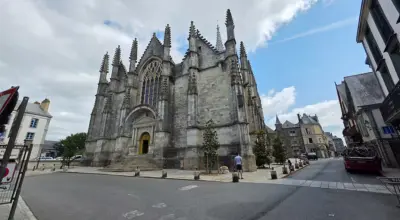
Notre-Dame de Vitré
The granite of Vitré doesn't just build walls; it carves stories of religious wars and merchant riches into the very skyline of Brittany.
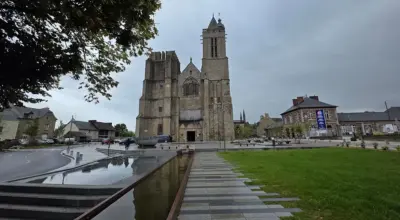
Saint-Samson Cathedral
The granite of Saint-Samson is the anchor of Dol-de-Bretagne—a dark, indestructible piece of Norman history in the heart of the Breton countryside.
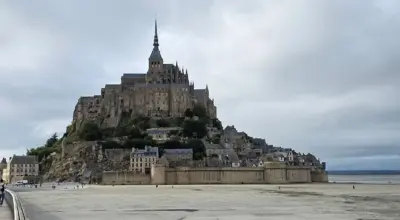
Mont-Saint-Michel Abbey
The granite of the Mount stands as a defiance of gravity. To see it isolated by the sea is to see the raw power of Normandy's history.

Abbaye aux Hommes
The Caen stone of the Abbaye aux Hommes hasn't just built a church; it built the foundations of English architecture and sheltered a city during its darkest hour.

Abbaye aux Dames
The white stone of the Abbaye aux Dames holds the memory of a Queen who was as powerful as the King she married. It is the quieter, more graceful soul of Caen.

Saints Peter and Paul Church
The rugged stone of the Ardennes defines this church, making it as much a part of the landscape as the Semois river itself.
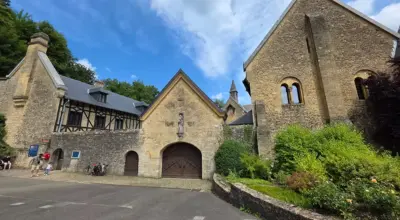
Orval Abbey
The golden stone of Orval anchors the history of the Gaume region, blending a legendary past with the active reality of Trappist life.
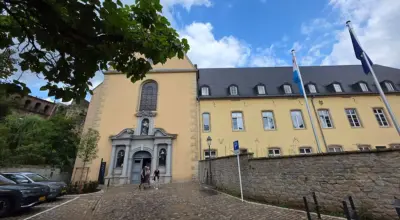
St. John the Baptist
The golden stone of Orval anchors the history of the Gaume region, blending a legendary past with the active reality of Trappist life.
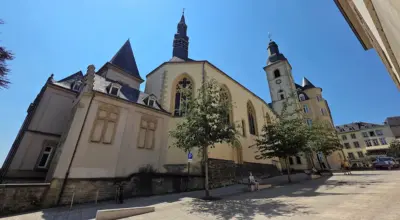
Saint Michael’s Church
The onion dome of Saint Michael’s has watched over the Fish Market for centuries, reminding every visitor that Luxembourg's soul was born here, on this very rock.

Church of Saints Peter and Paul
The Roman stones beneath the floor of Saints Peter and Paul hold the earliest memories of Echternach, predating even the great monks of the Abbey.

Basilica of Saint Willibrord
The white marble of Willibrord's tomb stays cool even in the height of summer, a quiet anchor in the crypt that survived the fires of 1944.

Notre-Dame Cathedral
The bronze lions at the crypt entrance haven't moved in decades, standing as the silent gatekeepers of Luxembourg's sovereign history.
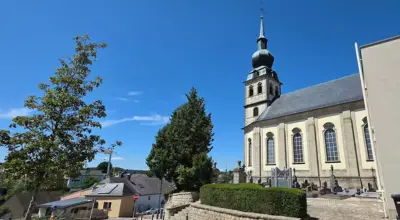
St. Remi Church
The Tyrolean frescoes inside St. Remi haven't lost their color since the 1700s, still providing a vibrant contrast to the gray stone of the castle ruins next door.
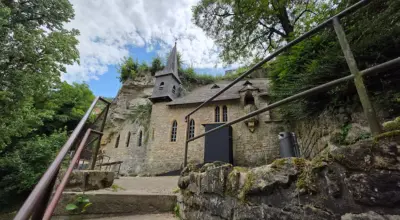
Saint Quirin Chapel
The spring water at Saint Quirin still follows the same stone channel cut into the cliff over 600 years ago, a physical record of the site's medieval use.
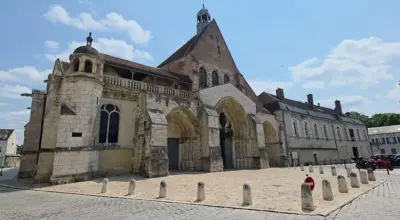
Saint Ayoul Church
The 12th-century sculptures on the west portal represent some of the earliest Gothic art in the Île-de-France region, predating the later expansions of the upper town.

Saint-Quiriace Collegiate
The choir of Saint-Quiriace is larger than that of many completed cathedrals in northern France, a remnant of the ambitious 1160 master plan.

Basilica of Notre-Dame de l’Épine
The late 15th-century rood screen separates the nave from the liturgical choir, maintaining the original medieval floor plan that has been removed from most other French churches.