Luxembourg Explore
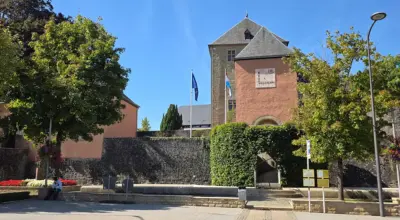
Mersch Castle
A 13th-century grey stone sentinel where medieval authority blends into modern Luxembourg.
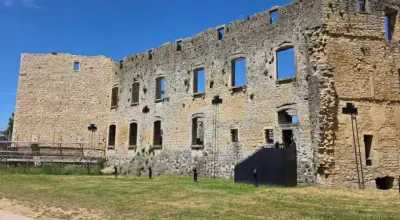
Koerich Castle
A beautiful medieval ruin tucked into a peaceful valley, protected by massive towers.
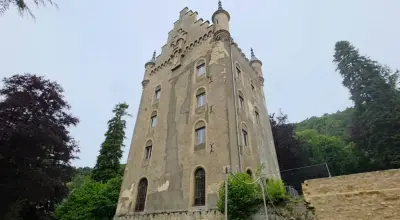
Schoenfels Castle
A solid 14th-century keep standing in the quiet embrace of the Eisch Valley, where rugged medieval stones meet the peaceful hiking trails of Luxembourg's hidden forests.
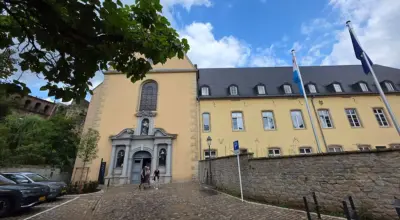
St. John the Baptist
The black paint on the Marie Noire isn't just color; it’s the physical memory of a city surviving its darkest years.
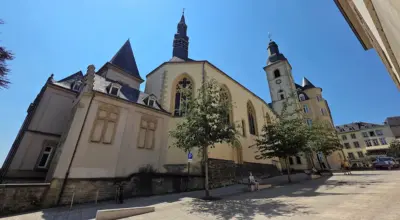
Saint Michael’s Church
The onion dome of Saint Michael’s has watched over the Fish Market for centuries, reminding every visitor that Luxembourg's soul was born here, on this very rock.

Notre-Dame Cathedral
The onion dome of Saint Michael’s has watched over the Fish Market for centuries, reminding every visitor that Luxembourg's soul was born here, on this very rock.
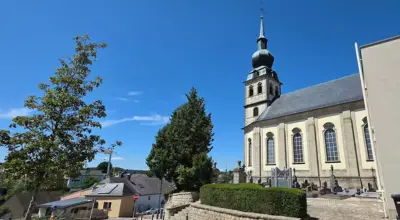
St. Remi Church
The Tyrolean frescoes inside St. Remi haven't lost their color since the 1700s, still providing a vibrant contrast to the gray stone of the castle ruins next door.

Museum of the Police and Gendarmerie
The Capellen museum registry confirms the preservation of the 1930s Gendarmerie mobile patrol motorcycle as part of the permanent collection.
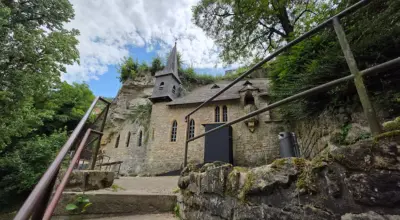
Saint Quirin Chapel
The spring water at Saint Quirin still follows the same stone channel cut into the cliff over 600 years ago, a physical record of the site's medieval use.
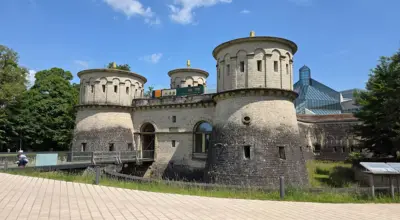
Fort Thüngen (Dräi Eechelen)
The museum registry for Fort Thüngen confirms the integration of the 1732 stone redoubt into the contemporary cultural landscape of Luxembourg City.

Firefighter Museum Senningen
This visit to Senningen confirms that the most personal stories are often found in the most unexpected places.
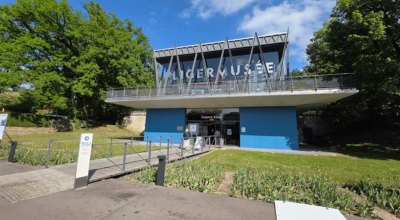
Luxembourg Aviation Museum
"The Guttland region hides treasures like this Mondorf museum, where the legacy of Luxembourgish pilots comes alive thanks to true enthusiasts.
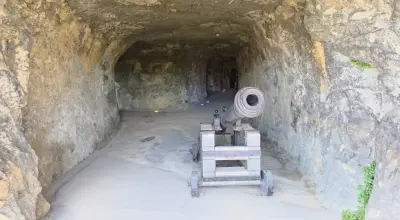
The Bock Casemates
At 15€, the Bock Casemates offer the best historical ROI in Guttland, combining centuries of military engineering with the finest vantage points in the capital.
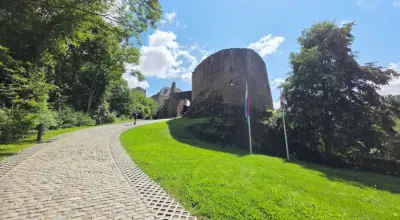
Bourscheid Castle
A majestic stone labyrinth of nine towers, rising from the rugged cliffs of the Ardennes.
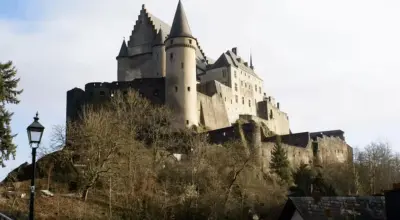
Vianden Castle
A majestic stone crown overlooking a town of legends, where medieval ramparts, Gothic cloisters, and forest trails create the ultimate Luxembourgish escape.
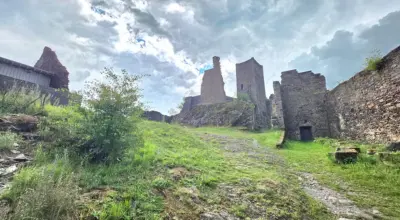
Brandenbourg Castle
A soulful 10th-century ruin tucked away in the northern hills, a poetic bridge to the past.
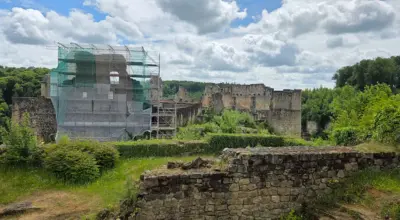
Larochette Castle
A striking 11th-century fortress rising from a jagged cliff in the heart of the Müllerthal.
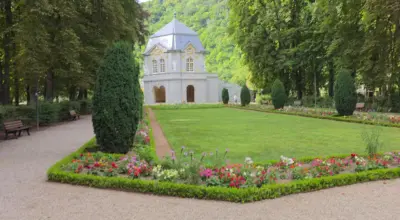
The Rococo Pavilion
An elegant 18th-century pavilion offering a quiet sanctuary where Rococo grace meets nature.
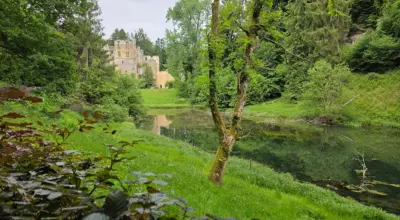
Beaufort Castle
A hauntingly beautiful stone labyrinth where 11th-century ruins merge with the deep forests of the Müllerthal, inviting explorers of all ages to lose themselves in medieval history.
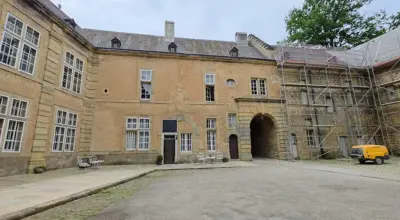
Beaufort Renaissance Castle
A refined 17th-century residence where human-sized elegance and preserved interiors tell a warm, intimate story of Luxembourgish noble life.

Church of Saints Peter and Paul
The Roman stones beneath the floor of Saints Peter and Paul hold the earliest memories of Echternach, predating even the great monks of the Abbey.

Basilica of Saint Willibrord
The white marble of Willibrord's tomb stays cool even in the height of summer, a quiet anchor in the crypt that survived the fires of 1944.
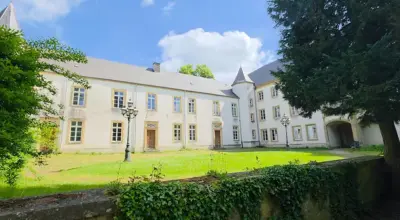
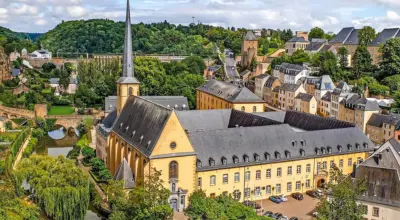
Grund
The Neumünster site includes the Tutesall, an old prison wing repurposed into a concert hall while retaining the original industrial steel supports from the 19th century
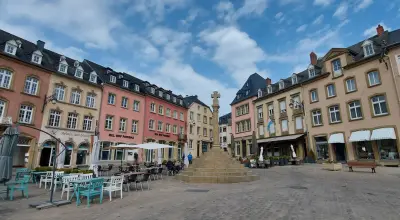
Echternach
The Echternach municipal park contains the 1761 Rococo Pavilion, an architectural garden house designed by Paul Mungenast featuring ornate French-style limestone facades.
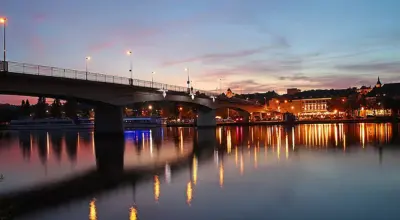
Remich
Remich infrastructure includes a 3-kilometer fluvial esplanade designed for flood mitigation and high-density pedestrian transit along the Moselle riverbank.
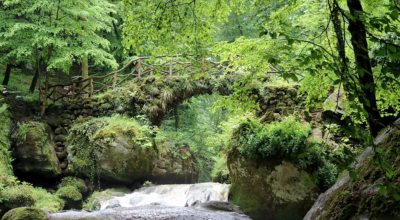
Mullerthal
The Müllerthal landscape is defined by its Luxembourg Sandstone formations, specifically the Schiessentümpel triple-cascade waterfall and its associated 19th-century dry-stone bridge.
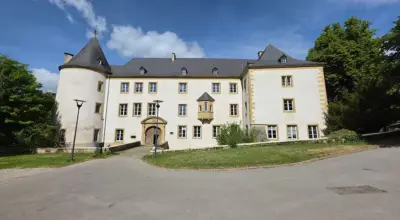
Sanem
The Sanem territorial registry classifies the 422-meter Zolwerknapp inselberg as a primary topographical landmark and 12th-century archaeological conservation zone.