There are places you don’t just visit—you feel them. The Müllerthal region, better known as Luxembourg’s Little Switzerland, is one of those magical places best discovered on foot, at your own pace, with wide eyes and a clear mind. Nature’s Playground Just Around the Corner I had heard about the Müllerthal countless times, but no story or photo could prepare me for its natural beauty. From giant moss-covered rocks and narrow gorges to dense forests and winding hiking trails—this region feels like something out of a fairy tale. Its nickname, “Little Switzerland,” isn’t just poetic—it fits. The rolling landscapes, dramatic rock formations, and charming villages are a perfect escape from the everyday rush. Schiessentümpel Waterfall – The Star of the Show You simply can’t visit Müllerthal without stopping at the Schiessentümpel Waterfall. With its iconic triple-arched stone bridge spanning a gentle waterfall, it’s one of the most photographed spots in the country—and for good reason. I went there with my son, and even he was mesmerized. It’s peaceful, almost surreal. Whether you’re a photographer, hiker, or just here for a short walk, this place leaves a mark. A Destination for All Ages What I love most about Müllerthal is that it’s family-friendly without compromising on the adventure. There are accessible trails, perfect picnic spots, and countless natural “playgrounds” for the little ones. For the more seasoned hikers, the Mullerthal Trail offers some of Luxembourg’s most beautiful paths. One Day Is Never Enough The Müllerthal isn’t just a stop on the map—it’s a destination. From the rocks of Berdorf and the ruins of Beaufort Castle (yes, we visited that too!) to mysterious caves and lovely villages like Echternach, this region begs to be explored slowly. We’ve already made plans to return, maybe even stay overnight in a cozy gîte or cabin for the full experience. 📍 Tips for Your Visit: This is a must-see for families, nature lovers, and anyone needing a break from the fast lane. Müllerthal is more than a place—it’s a feeling. And trust me, you’ll want to feel it more than once.
🏰 Schoenfels Castle – A Quiet Break Between Past and Present
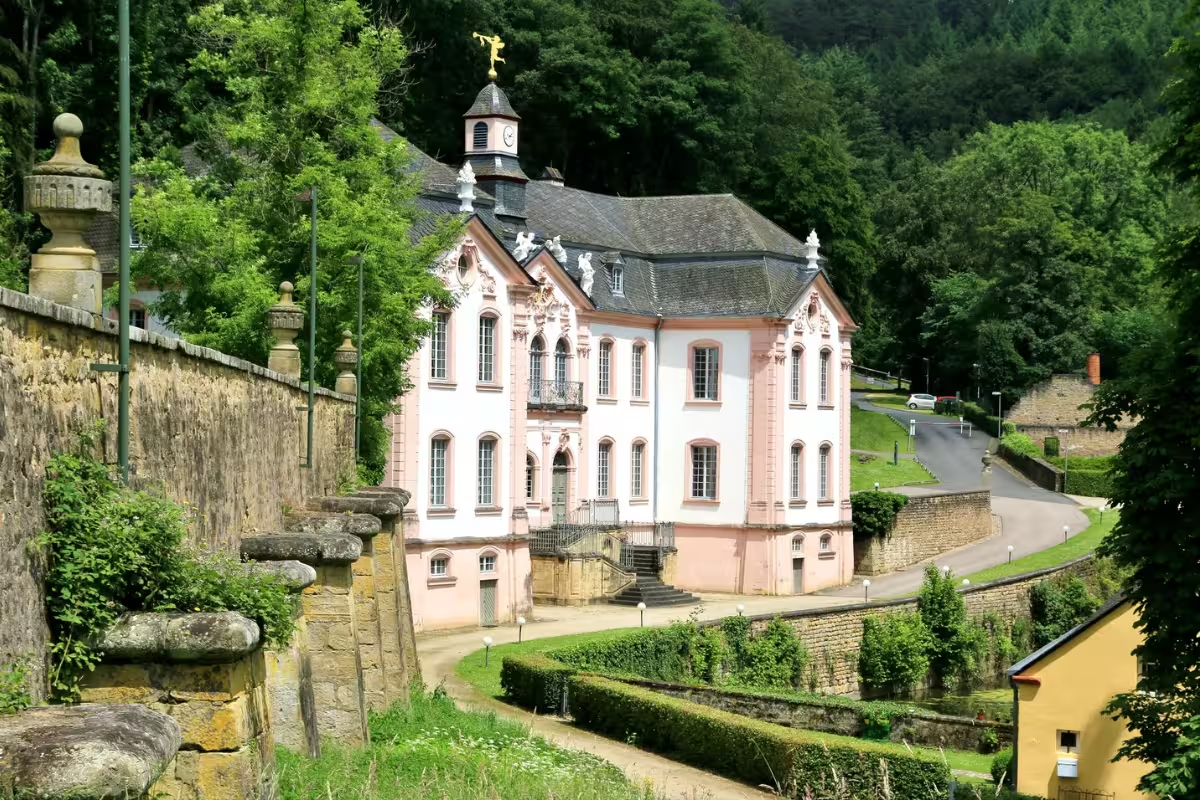
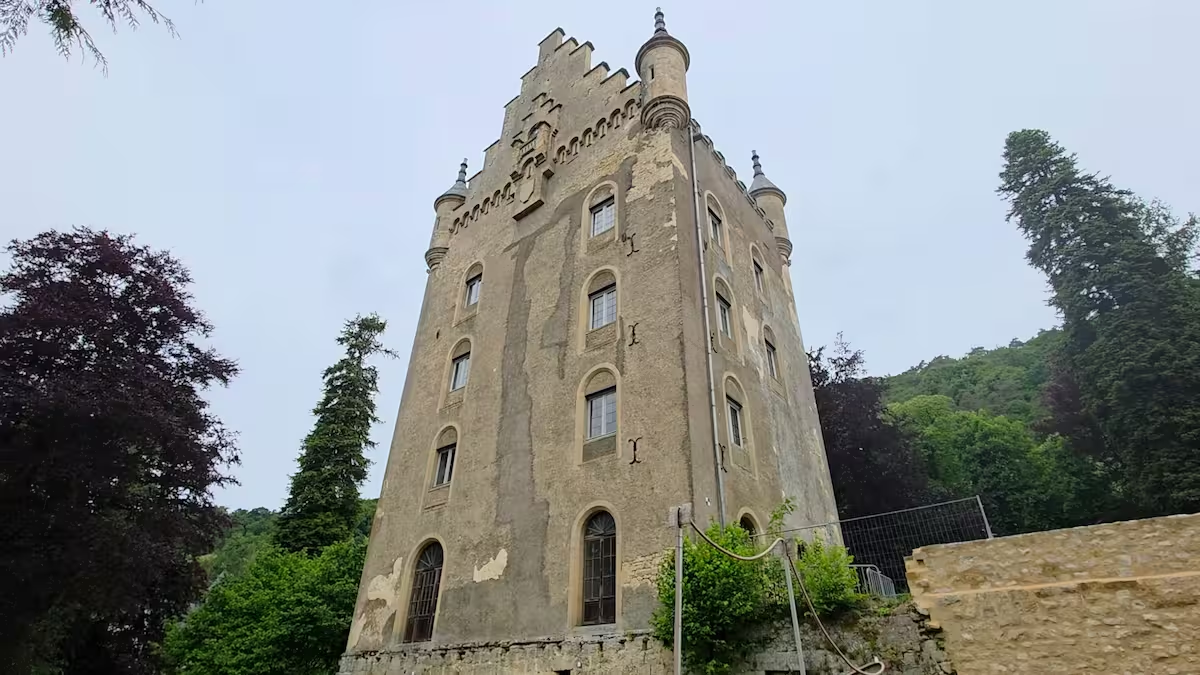
Some places you don’t plan for — they simply find you. That’s how I came across Schoenfels Castle: on a winding road through the woods in central Luxembourg, this sturdy stone tower suddenly appeared, standing silent but proud. Luxembourg is often called the land of 100 castles, and honestly, that might be an understatement. They’re everywhere — on hills, in valleys, hiding in forests or towering next to highways. And each one tells a different story. Schoenfels, though, is one of those quiet ones, still off the tourist radar. A Bit of History Schoenfels Castle dates back to the 13th century, originally built by Friedrich von Schonevels, a local knight. Back then, it wasn’t meant to impress — it was meant to protect. Strategically placed in the Eisch Valley, between Luxembourg City and the north of the country, it served as a watchtower and fortress. Over the centuries, it changed owners, was damaged by fire, rebuilt, abandoned, and finally acquired by the Luxembourg State in 1971. What remains today is a solid 14th-century keep, surrounded by a fortified wall and a few restored buildings — closed for now, but still very much alive. Closed, But Not Forgotten You can’t visit the inside just yet — it’s undergoing restoration. The plan is to turn it into an official welcome centre for the Upper Sûre and Eisch Valley Nature Park, which makes total sense. This castle isn’t just history; it’s a gateway to nature. There’s a small car park just next to it. I stopped with my son, and we spent a quiet moment there — no crowds, no distractions. Just birds, trees, and stone walls full of stories. Great Starting Point for a Walk Even without a tour, it’s worth the stop. Hiking trails surround the area, well-marked and peaceful. It’s the kind of place where history fades into the landscape, where you step out of the car and into a different rhythm. In Short Schoenfels Castle won’t dazzle you with grandeur or flashy features. But that’s its charm. It’s real. It’s grounded. It’s waiting. And sometimes, that’s all you need for a truly memorable moment. 🏰 Schoenfels Castle – Address & Visitor Info 📍 Exact Address Rue du VillageL-7473 SchoenfelsCommune of Mersch, Luxembourg 🌍 GPS Coordinates ☎️ Contact Information ℹ️ Visitor Info
🌿 Mondorf-les-Bains – A Peaceful Escape in the Heart of Luxembourg
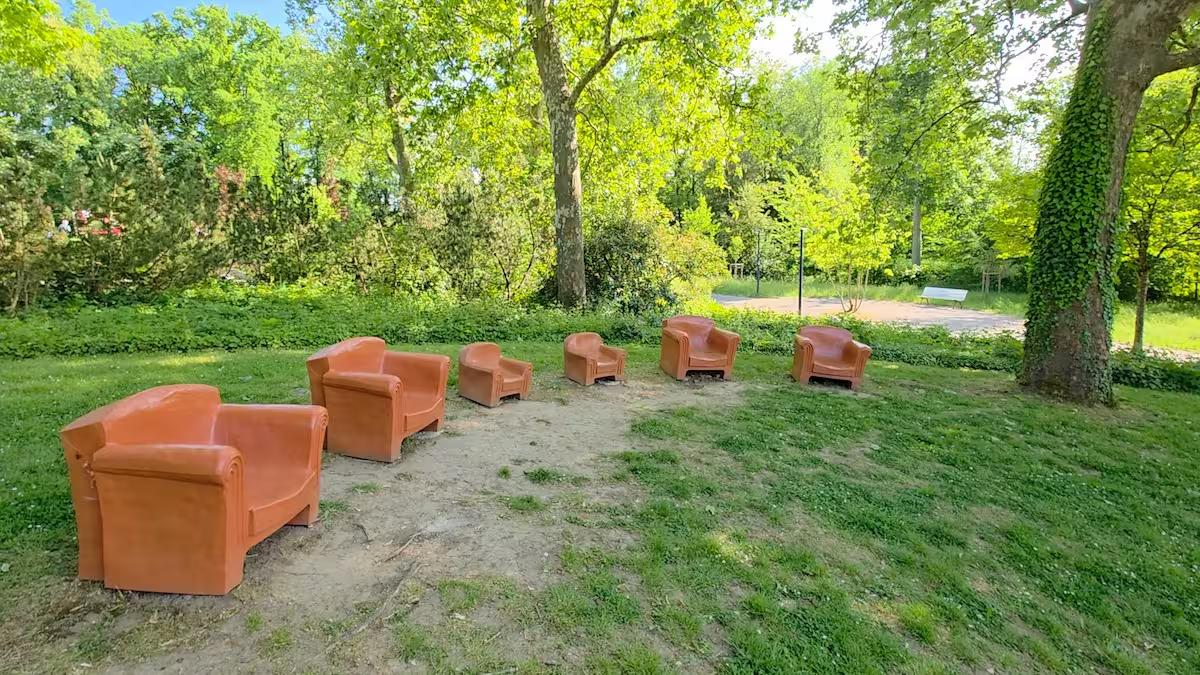
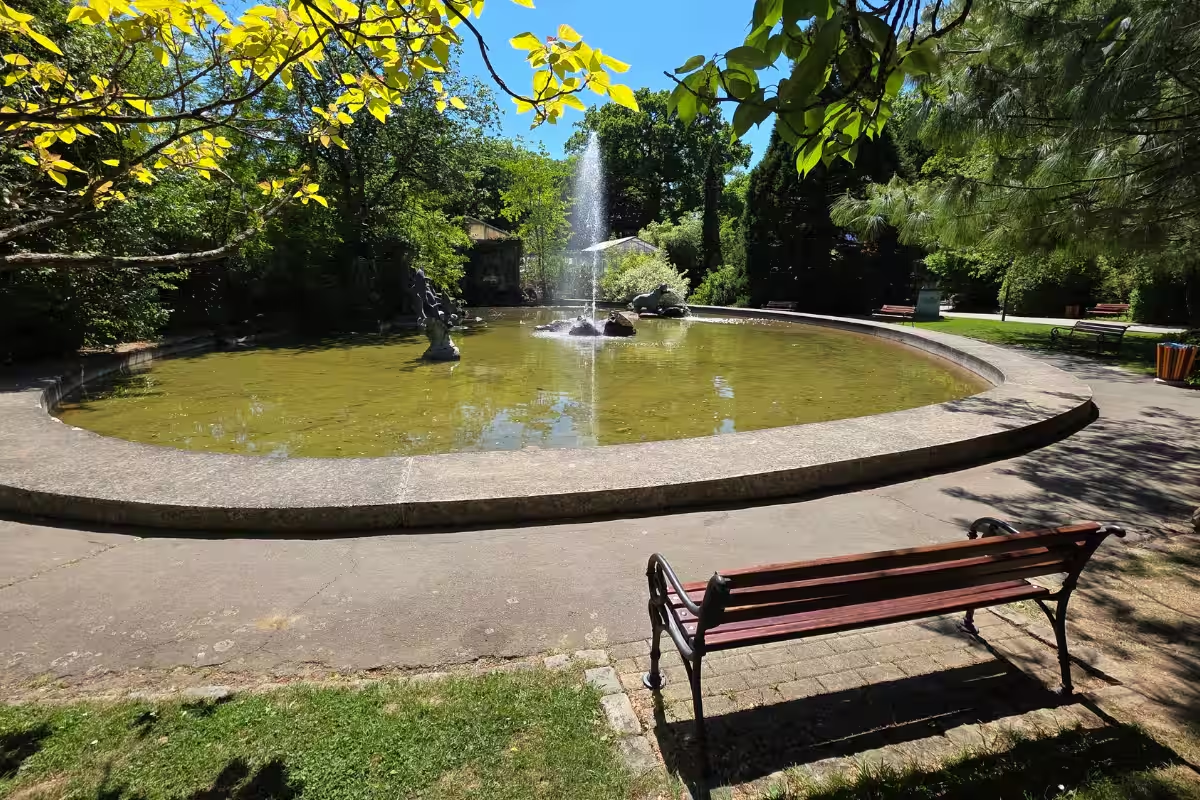
This time, we made a stop in the charming town of Mondorf-les-Bains—not for the thermal spa or the gourmet dining, but to explore the beautiful and peaceful Thermal Park. And what a refreshing experience it was. The first thing we noticed upon arrival was the calm. Here, time slows down. You hear the gentle rustling of leaves, birds singing, and the occasional trickle of a nearby fountain. It truly feels like a hidden oasis for anyone looking to unwind and reconnect with nature. The park is large, lush, and impeccably maintained. Wide paths lined with old trees invite you to wander—whether you’re walking, pushing a stroller, or simply taking it all in. We crossed paths with families enjoying the sunshine, couples strolling hand-in-hand, and even a few people practicing yoga quietly on the grass. What struck me most was the peaceful atmosphere. Benches are scattered under shady spots to rest, art sculptures surprise you around quiet corners, and the overall sense of well-being is almost instant. It’s the kind of place that helps you breathe a little deeper and forget the rush of daily life. The park is also a haven for biodiversity, home to rare tree species, beautifully curated flowerbeds, and if you’re lucky, a squirrel or two playing in the trees. For children, there’s a small but charming playground, and the open lawns are perfect for picnics or running free. And if you’re in the mood to extend your experience, the thermal spa and casino are just steps away. But even without entering those venues, the park alone is well worth the visit. It offers a moment of peace, a pause to recharge—just a short drive from the French border. 🗓️ Perfect for a family outing, a romantic walk, or a mindful escape.📍 Location: Thermal Domain, Mondorf-les-Bains🎟️ Free access all year round🌸 Best time to visit: Spring or autumn for blooming gardens and peaceful walks
This time, we took in the heights at Saarburg Castle!
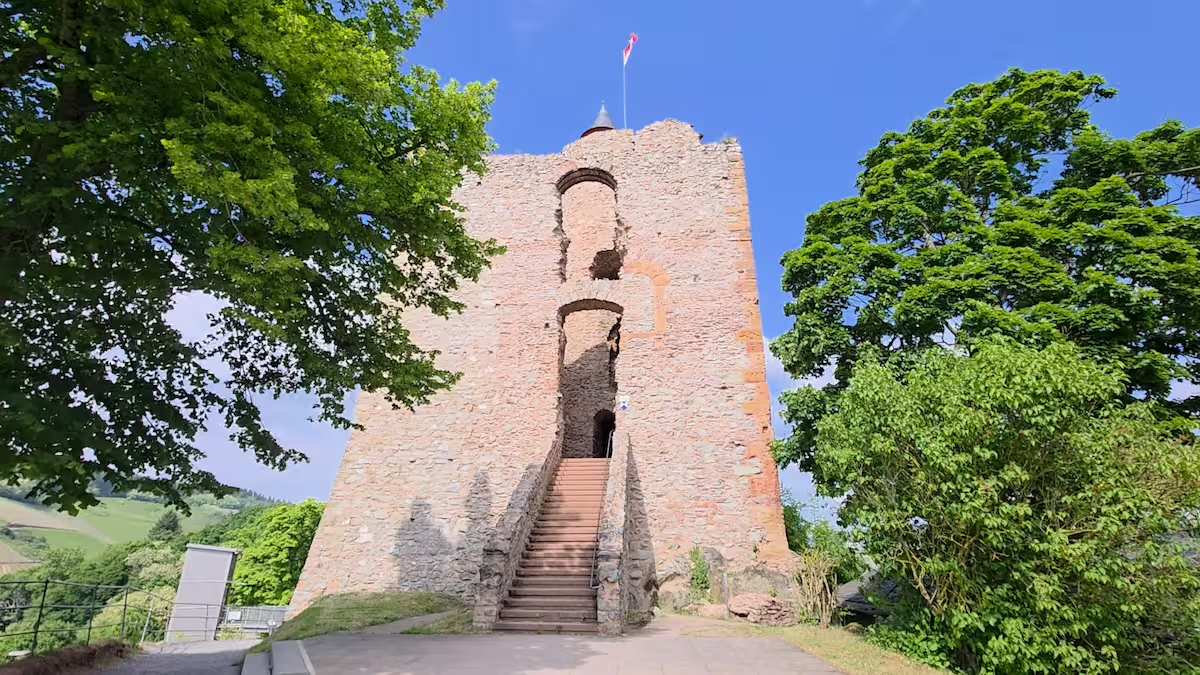
Sometimes, the best discoveries come from unexpected detours. That’s exactly how we felt exploring Saarburg Castle, nestled in the heart of this charming little German town we visited for a day. From the moment we arrived, the castle’s silhouette stood tall on the hilltop. Impressive yet inviting, it called us to climb the cobbled streets and dive into the region’s history. Built in the 10th century, Saarburg Castle may not be the most famous, but it carries the raw charm of ancient stones — the kind that makes you feel like you’re stepping back in time as soon as you cross its gates. The climb up to the castle isn’t very long, but it’s a steady uphill walk. Thankfully, the way is sprinkled with beautiful surprises: stunning views over the red rooftops of the town, hidden stairways in lush greenery, and the peaceful atmosphere only a riverside town can offer. Once inside the site, the tower is the real highlight. Yes, you can climb it! You’ll need to tackle about 107 spiral steps to reach the top — but the reward is worth every step. From there, you get breathtaking panoramic views over the Saar valley, the terraced vineyards, and the entire town of Saarburg stretching out below. On a clear day, you can even see all the way to the Luxembourg border. Although in ruins, the castle is well maintained. You can wander freely among mossy stones and charming little corners. It’s a simple, authentic place, far from the crowds. Perfect for taking your time, connecting with history, and snapping great photos. Pro tip: Wear comfortable shoes! The ground can be slippery, especially inside the tower, and some steps are quite narrow. Saarburg really surprised us, and its castle is definitely the highlight — in every sense of the word. Between heritage, nature, and stunning views, this visit checks all the boxes for a successful getaway.
The Ultimate Guide to Visiting the Bock Casemates Luxembourg
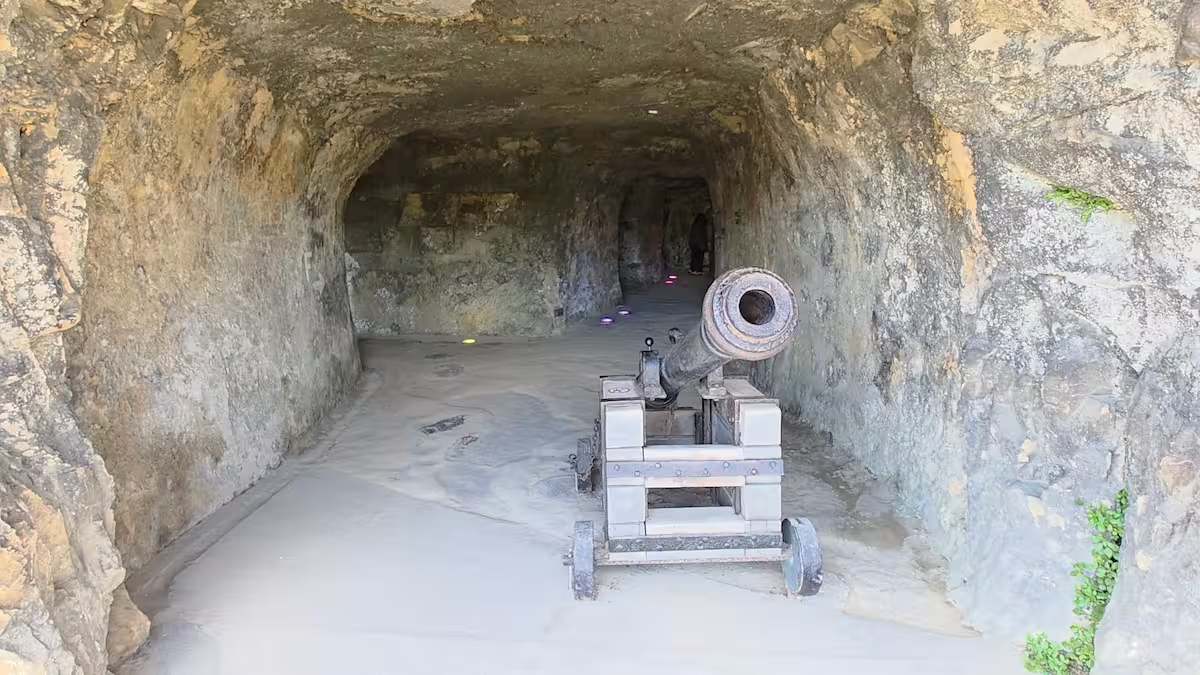
This time, we tested one of Luxembourg City’s must-see attractions for you: the Bock Casemates. Honestly, we didn’t expect such an immersive experience right in the middle of the capital. As soon as you start walking down the first steps, you’re literally diving into history. This network of tunnels carved into the rock tells the story of centuries of military strategy, ingenious defense systems, and life underground. The galleries are truly impressive—sometimes narrow and mysterious, sometimes opening up to breathtaking views. Yes, you read that right: a subterranean site with panoramic views! Through openings in the stone walls, you get stunning glimpses of the Alzette valley and the green landscape of the Grund district. It’s easy to see why Luxembourg earned the nickname “Gibraltar of the North.” The visit is self-guided, which is perfect for taking your time, pausing whenever you want, and soaking in the architectural details, cannon loopholes, and fortification remains. Everything is well-marked, clean, and remarkably well-preserved. A real treat for history lovers and curious explorers alike. Pro tip: wear good shoes—some stairs are steep, and the ground can be slippery. Also, bring a light jacket, even in summer. The casemates stay cool all year round (a plus during hot weather!). What I personally loved was how authentic it felt. There’s no over-the-top staging—the place speaks for itself. It’s raw, real, silent… and somehow full of emotion. You can easily picture the soldiers, secret passages, and watchmen of the past. It’s a visit suitable for all ages, as long as you’re okay with a bit of walking. Kids will feel like they’re exploring a hidden castle, adults will be fascinated by the clever layout, and history buffs will want to come back for more. So if you’re in Luxembourg, don’t skip this one. The Bock Casemates are more than just tunnels—they’re a direct passage to the past, right in the heart of the city. A timeless escape that’s absolutely worth it. 📍 Address Montée de Clausen, L-1343 LuxembourgLocated in the heart of Luxembourg City’s historic center, the Bock Casemates are a UNESCO World Heritage Site. 🕒 Opening Hours Open daily from 9:45 AM to 5:00 PM, with new entries every 15 minutes.Last admission is at 5:00 PM.Schedules may vary on public holidays or due to maintenance, so it’s best to check the official website before visiting. 🎟️ Tickets & Booking You can book your tickets: Ticket prices: Discounts available with proper ID or documentation. 👟 Useful Tips 📸 Tips for Photographers ❓ FAQ – Bock Casemates Luxembourg How long does the visit take?Around 30 to 45 minutes. Do you need to book in advance?During high season: yes. In low season, walk-ins are possible but not guaranteed. Are there guided tours?Yes, but they are optional. Self-guided is the default. Can you visit with kids?Yes, but bring a baby carrier if needed. No strollers allowed inside. 🌐 Official Website & Booking 🔗 https://www.luxembourg-city.com/en/place/tour/bock-casemates
Visiting Metz Cathedral – A Gothic Masterpiece Beyond Belief
Even though I don’t follow any religion, visiting the Saint Stephen’s Cathedral in Metz (Cathédrale Saint-Étienne) was a deeply moving experience. This isn’t just a place of worship — it’s an architectural marvel, a symbol of the city, and an unforgettable encounter with centuries of history and art. Whether you’re spiritual or not, this is an absolute must-see in Metz. From the moment you arrive at the square, the cathedral’s towering presence dominates the cityscape. Its exterior is a celebration of Gothic finesse: detailed sculptures, soaring spires, and curious gargoyles. But it’s once you step inside that the true magic reveals itself. Light, Space, and Silence The first thing that hits you is the sheer height of the nave — one of the tallest in France. You feel small, yet strangely peaceful. And then there’s the light. Nicknamed “The Lantern of God”, Metz Cathedral has the largest expanse of stained glass in the world, over 6,500 m², with windows ranging from the 13th century to modern creations by Marc Chagall. When sunlight streams through, colors ripple across the stone columns and floor. It’s an ever-changing canvas of shadow and brilliance. Whether you come for the faith or the aesthetics, it’s an emotional, even poetic, experience. For Everyone — Not Just the Religious What I loved most was how open and accessible the visit felt. No entry fee, no rush. Just the freedom to walk, to gaze, to pause. You can take as much time as you want to soak in the atmosphere or capture the details with your camera. You don’t have to be religious to feel something here. This place speaks to the soul through its light, space, and centuries of silent presence. It’s humbling and uplifting all at once. A Photographer’s and History Lover’s Dream If you love architecture, sacred art, or just places with a story to tell, you won’t be disappointed. Don’t skip the exterior walkaround, especially the back of the cathedral where the buttresses and stonework are incredibly striking. If you’re lucky, you may also catch an open terrace visit with views over Metz — well worth it. 📍 Highlights at a glance:
Porte des Allemands, Metz – Step Into a Medieval Storybook
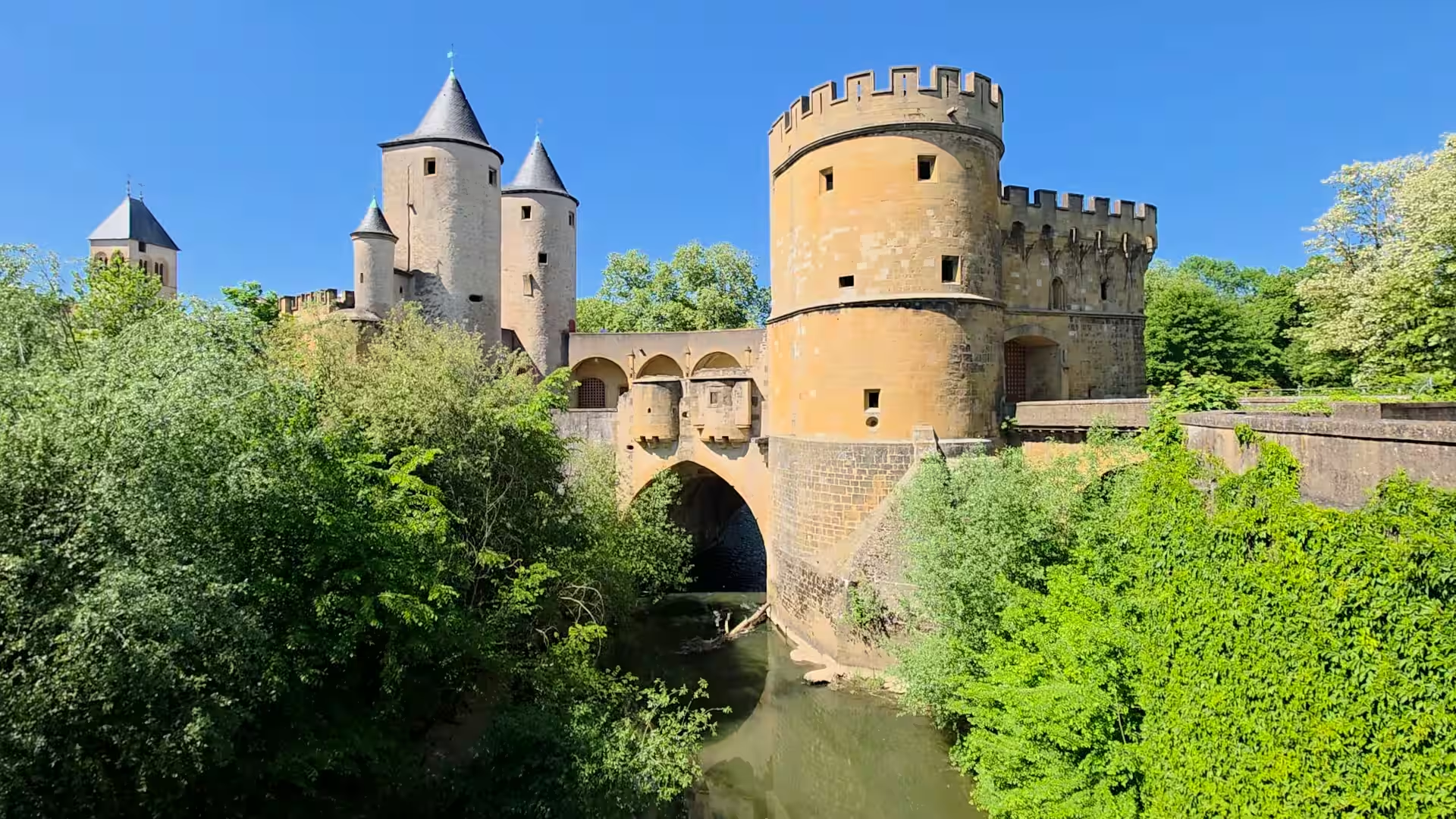
If you’re planning a trip to Metz and wondering what to see beyond the famous cathedral — let me stop you right there. The Porte des Allemands is a must-visit, and honestly, it’s one of my favorite spots in the city. This place is more than just a gate — it’s a time machine. A Medieval Fortress in the Heart of the City Standing proudly over the Seille River, the Porte des Allemands (literally “The Germans’ Gate”) is the last surviving fortified gate of medieval Metz. Built in the 13th century and reinforced in the 15th century, it once served as both a bridge and a fortress. Today, it’s one of the most iconic historical landmarks in Metz — and one of the most photogenic too. The massive round towers, the arches, the stone bridge — it all feels like you’ve stepped straight into a fantasy film. But what I loved most? It’s not just something to look at from afar. You can walk through it, climb around, and really feel the history beneath your feet. A Living Monument Since its restoration in 2014, the Porte des Allemands has transformed into a cultural and educational space. It hosts art exhibitions, workshops, and historical events throughout the year — making it not just a monument, but a place that lives and breathes history. And here’s the part many tourists miss: there’s a small underground museum right inside the gate — and it’s totally free! It’s a compact but well-designed exhibit that walks you through the gate’s evolution, the story of the surrounding district, and the role Metz played in different historical periods. Perfect for curious minds and families with kids. A Hidden Gem for Families and Photo Lovers Whether you’re a solo traveler, a couple, or a family with children, Porte des Allemands is one of the top things to do in Metz. There’s space to explore, towers to climb, and just enough storytelling to keep everyone engaged. As a dad and a storyteller myself, I can say it’s a perfect stop on a family-friendly itinerary. And if you’re into photography — bring your camera. The lighting near sunset is pure gold on these old stones. 🗺️ Plan Your Visit 📍 Location: Rue des Allemands, 57000 Metz, France💸 Entry: Free (including the museum!)📷 Tip: Visit late afternoon for the best golden hour photos☕ Nearby: Cafés and local spots perfect for a post-visit coffee or treat Why You Shouldn’t Miss It The Porte des Allemands isn’t just one of Metz’s historical highlights — it’s a place where past and present meet. You’ll walk away not just with photos, but with a sense of connection to the city’s deep roots. So if you’re visiting Metz, don’t just stop at the cathedral — go discover this medieval gem. You won’t regret it.
The « Parc Merveilleux » of Luxembourg – A Magical Mix of Zoo and Giant Playground
Just a short drive from Luxembourg City, the Parc Merveilleux in Bettembourg is one of the country’s top family-friendly attractions. As its name suggests (« Wonderful Park »), it’s a charming blend of small zoo, fairytale village, and giant outdoor playland — ideal for a full day of fun and discovery. 🐒 A Small Zoo Full of Surprises Home to over 200 animals from across the globe, the park offers a chance to meet lemurs, flamingos, parrots, monkeys, kangaroos, and many more. With informative signs and thoughtfully designed enclosures, it’s a great place for kids and adults alike to learn and explore. 👉 Important note: On hot summer days, many animals may retreat into the shade or their shelters, making it unlikely to see all 200 animals during one visit. Another good reason to return during cooler seasons! Unlike large-scale zoos, Parc Merveilleux focuses on small to medium-sized animals, making the experience more intimate and family-oriented — perfect for younger children. 🎠 A Dream Playground for Kids What sets this park apart is its diverse play areas. From giant slides and water games to bouncy castles, mini electric cars, a climbing trail in the trees, and even a mini train, children will find endless ways to burn energy. Don’t miss the Fairy Tale Village, where animated scenes from classic stories like Little Red Riding Hood or Snow White come to life. It’s a magical journey that appeals to both young children and nostalgic parents. 🌿 A Green Oasis Nestled in lush greenery, the park is filled with tall trees, shady walking paths, flower gardens, and tranquil ponds. You can bring your own picnic or grab a bite at one of the park’s convenient food stands or cafés. 🕒 Practical Info ❤️ Why Families Keep Coming Back Parc Merveilleux truly lives up to its name — a place where play, nature, and wonder come together. It’s not a theme park full of thrill rides, but rather a peaceful, imaginative destination that brings joy to every member of the family. Whether it’s your first visit or your tenth, the magic always feels new.
A Deep Dive into Industrial History at the Rumelange Mine Museum
On our latest family outing, we discovered a truly unique place: the National Museum of Iron Mines in Rumelange. This visit quite literally took us underground… in every sense of the word! From the moment we arrived, the atmosphere was set. Helmets on, we boarded a vintage mining train, and a few minutes into the darkness, we found ourselves inside the underground tunnels of the former iron mine. Nothing here is overly staged or modernized – it’s all authentic, raw, and real. You can feel the cold, the damp air, the rock… and above all, the weight of history. Our guide, Nico, made the entire experience even more unforgettable. Passionate, approachable, funny, and highly knowledgeable, he brought to life the miners’ everyday reality – their hard working conditions, their camaraderie, the tools and techniques they used, and even the typical sounds heard underground. Thanks to him, we didn’t just tour a site – we relived an era, and gained deep respect for a tough and proud profession. We also learned how the iron extracted from these mines helped build modern Luxembourg. It’s an important piece of working-class heritage that deserves to be remembered and passed on. The guided tour lasts about 1.5 hours, but time flies. There’s also a small surface exhibition with vintage equipment, photographs – but it’s really the underground experience that makes this museum so unique. This outing is educational, moving, and truly impressive – perfect for families, history lovers, or anyone looking for a meaningful experience off the beaten path. A big thank you to the entire team, and especially to Nico, for sharing his passion with so much energy and heart. This was hands down one of the most memorable visits we’ve done in Luxembourg. Don’t miss it! And to top it all off, right next to the museum there’s a modern and well-equipped playground. Slides, climbing structures, and space to run – perfect for kids to burn off some energy while parents enjoy a break. It’s the ideal family outing, mixing cultural discovery with outdoor fun. 📍 Address of the National Mining Museum in Rumelange Musée National des Mines de Fer LuxembourgeoisesCarreau de la mine WalertL-3714 RumelangeLuxembourg 🌐 Official Website You can find more information, book guided tours, and check opening hours on the museum’s official website:🔗 https://www.mnm.lu
The Blast Furnace Museum in Esch: A Journey Through Steel and Memory
During our trip to Esch-sur-Alzette, we decided to visit a place that’s a little out of the ordinary: the Blast Furnace Esch Museum at Belval. I wasn’t sure what to expect—maybe something too technical or not that engaging for a family visit. But honestly, it turned out to be one of the most memorable stops of our day. As soon as you arrive, you can’t miss the towering steel structures that dominate the skyline. These former blast furnaces, once at the heart of Luxembourg’s steel industry, have been preserved as part of the country’s industrial heritage—and they are absolutely impressive. A Deep Dive Into Luxembourg’s Industrial Past The museum does a great job of taking you step by step through the iron-making process. From the raw materials to the finished product, you get to understand how everything worked, and more importantly, who made it all happen. Through old photos, models, videos, and stories of the workers, you feel connected to the past in a very real way. It’s not dry or boring—it’s immersive and powerful. You learn not just about metal, but about a whole community that was built around this industry. An Active and Hands-On Experience What I really loved is that this isn’t a museum where you just walk around reading signs. You actually climb up the furnace, walk along the steel walkways, and touch the structures. The view from the top is incredible—you can see all of Belval and beyond. It’s a bit dizzying, but totally worth it. Even with a child, the visit worked really well. There’s a sense of adventure to it that kids love, and the explanations are clear enough for all ages. It’s not just educational—it’s fun, exciting, and physical. Between Past and Future What struck me most was the contrast. Around the blast furnaces, everything is new: university buildings, restaurants, concert halls, apartment blocks. And right in the middle of all that, these massive remnants of the past stand tall, proud, and beautifully integrated into the modern city. It’s a great example of how a place can honor its history while looking forward. My Personal Take If you’re in southern Luxembourg, don’t miss the Blast Furnace Museum. It’s not just about steel or industry—it’s about people, transformation, and resilience. It’s a powerful, emotional, and unforgettable experience. Perfect for families, curious minds, and anyone who loves seeing the past brought back to life.