Our visit to the Cathedral of Maguelone, a place rich in history, was both fascinating and somewhat disappointing. Located on a peninsula surrounded by lagoons, this fortified cathedral, dating back to the 6th century, played an important role in the region’s religious and military history. Due to its strategic location, it served as both a place of worship and a defense against invaders. Its imposing Romanesque architecture, with thick walls and narrow windows, reflects its tumultuous past. Inside, the atmosphere is filled with spirituality, with elements that narrate centuries of religious life and resilience in the face of attacks. However, our experience was somewhat dampened by practical aspects. Firstly, visitors are required to park in a paid parking lot before taking a small train that runs every 30 minutes, which can result in a rather long wait, especially with children. This process can be frustrating, particularly as the distance to the cathedral is quite short. Additionally, the gardens surrounding this historical site, while full of potential, are unfortunately not well-maintained, which detracts from the overall charm of the visit. That said, the Cathedral of Maguelone is still a fascinating visit for history and architecture enthusiasts. Its unique location, isolated between the lagoons, makes it a peaceful place for contemplation, and the cathedral’s millennia-old history is truly worth exploring. However, it would be beneficial if the logistical aspects and the maintenance of the outdoor areas were improved to provide an experience worthy of such an exceptional site. Itinerary: Le Grau-du-Roi to Maguelone Cathedral 🚗 Directions:
Arles: A Timeless Journey through Roman Heritage and Provençal Charm
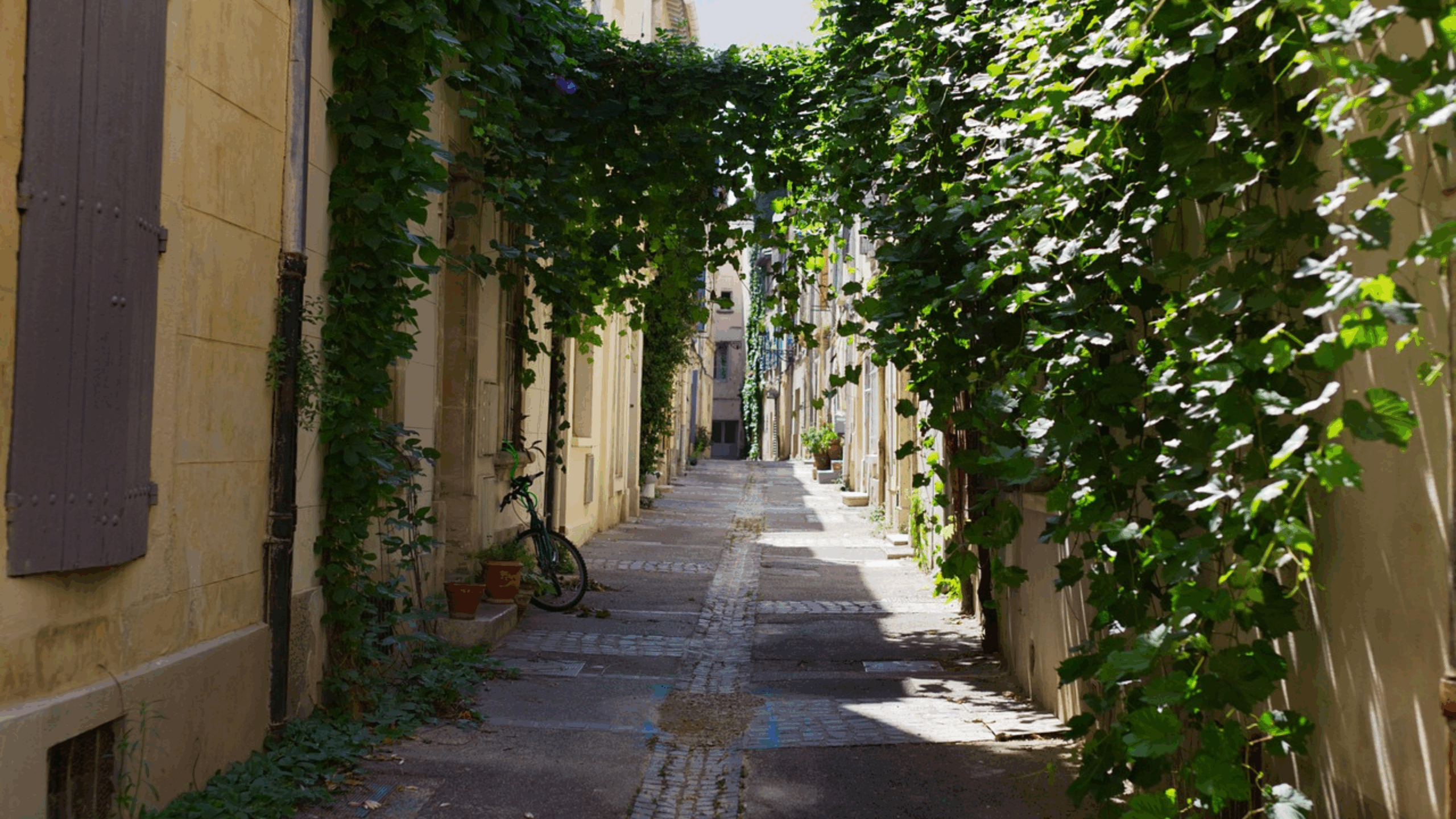
Located at the edge of the Rhône River and the gateway to the Camargue, Arles is a captivating city that masterfully blends Roman history, Provençal culture, and artistic legacy. Listed as a UNESCO World Heritage Site, Arles is one of the most iconic destinations in the South of France. Upon arrival, you’re instantly struck by the city’s architectural treasures. The Roman Amphitheatre, known as the Arènes d’Arles, dominates the old town and remains a venue for events and performances to this day. Nearby, the Ancient Theatre is another striking reminder of Arles’ grandeur during the Roman Empire—imagine crowds gathered centuries ago to watch classical plays unfold on stage. You can also explore the Thermes of Constantine (Roman baths) and the Cryptoporticus, a network of underground galleries that reflect the engineering marvels of the time. A visit to the Alyscamps, a beautifully eerie Roman necropolis lined with cypress trees, offers a peaceful and reflective walk—so inspiring that even Van Gogh and Gauguin painted it. Speaking of Vincent van Gogh, Arles is where the legendary painter produced over 300 works in just over a year. You can follow the Van Gogh Trail through the city to see replicas of his paintings placed exactly where he created them—like The Yellow House and Café Terrace at Night. But Arles is more than its Roman past and artistic heritage—it’s also a celebration of Provençal life. Wandering the narrow cobblestone streets, stopping for a coffee on a shaded square, or browsing the colorful markets overflowing with lavender, olives, and handmade goods—this is where you truly feel the heart of Arles. The city comes alive in summer with events like the world-famous Rencontres d’Arles, an international photography festival. 💡 Practical Tips for Visiting Arles 🚗 Itinerary: From Le Grau-du-Roi to Arles Suggested route: 🅿️ Parking tips: Recommended parking lots near the city center include Parking Lamartine, Parking des Lices, and Gare SNCF parking—all within walking distance of the main attractions.
Discover Sommières: A Hidden Gem in the South of France
Sommières is a charming medieval town nestled in the heart of the Languedoc region, about 30 kilometers from Nîmes. Often overlooked by tourists, this hidden gem offers a glimpse into the rich history, natural beauty, and relaxed atmosphere of southern France. The town is known for its stunning Roman bridge, winding cobblestone streets, and picturesque surroundings, making it an ideal destination for a leisurely day trip or a peaceful retreat. A Walk Through History Sommières has a deep historical significance that dates back to Roman times. The town’s most iconic landmark is undoubtedly the Pont Romain (Roman Bridge), which spans the Vidourle River. This bridge, dating back to the 1st century, was once an important route for the Romans, and it remains a striking testament to the engineering skills of the ancient civilization. As you walk across the bridge, you can’t help but imagine the bustling trade and life that once surrounded it. The medieval heart of Sommières is a maze of narrow, cobbled streets lined with stone houses that seem frozen in time. You can explore the winding alleyways, visit the Église Saint-Pierre (St. Peter’s Church), and take in the medieval architecture that still stands proudly in the town. One of the highlights of the town is the Place des Remparts, a charming square that’s surrounded by cafes, boutiques, and local shops. It’s the perfect spot to relax and enjoy a coffee while soaking in the atmosphere. A Perfect Day in Sommières Besides its rich history, Sommières is surrounded by natural beauty. The town is located near the Camargue Regional Nature Park, making it a great base for outdoor enthusiasts who enjoy hiking, cycling, or birdwatching. The nearby Vidourle River offers opportunities for peaceful walks along its banks, and the surrounding countryside is dotted with vineyards, olive groves, and scenic views. The weekly market in Sommières is a must-visit for food lovers. Held every Saturday, the market is a vibrant celebration of local produce, artisan goods, and regional specialties. You’ll find fresh fruits, vegetables, cheeses, meats, and other local delicacies that are perfect for a picnic or to take home as souvenirs. For those who want to explore more of the local culture, Sommières hosts various events throughout the year, including medieval festivals and cultural celebrations. These events give visitors the chance to step back in time and experience the town’s heritage through reenactments, performances, and traditional music. Visiting Sommières: Tips and Advice Driving Itinerary: From Le Grau-du-Roi to Sommières Distance: Around 35 kmEstimated Driving Time: 40–45 minutes 🚗 Recommended Route: Suggested Visit Duration: 3-4 hours This will allow you to explore the town’s highlights, enjoy a leisurely stroll along the Roman bridge, and take time for a coffee or meal in one of the town’s charming cafes.
Discovering the Ideal Palace and the Grave of the Postman Cheval
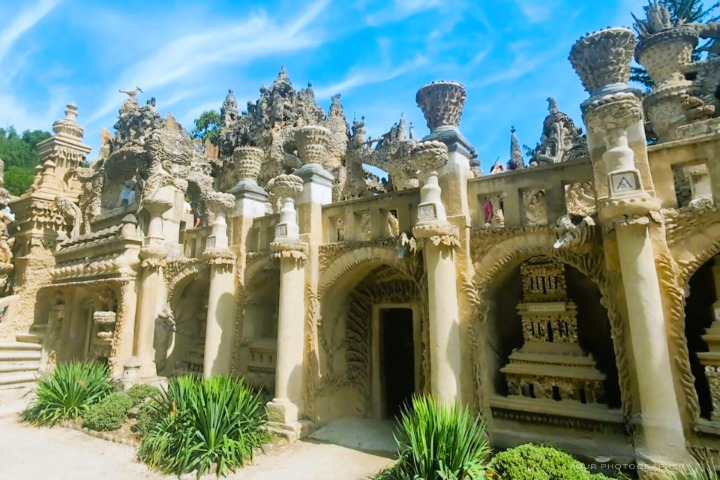
Nestled in the heart of the Drôme region, the Ideal Palace is a unique work of art, the result of the boundless imagination of one man: Ferdinand Cheval, also known as the Postman Cheval. This fascinating monument, built between 1879 and 1910, is a true masterpiece of naive architecture that attracts thousands of visitors each year. The Ideal Palace is the culmination of 33 years of hard work. Ferdinand Cheval, a postman by trade, began constructing this palace after collecting stones during his rounds. Inspired by his dreams and travels, he erected a building that blends various styles, from Romanesque to Gothic, and even Oriental influences. Every detail, every sculpture tells a story, and visitors cannot help but be amazed by the creativity and passion that emanate from this place. The Grave of the Postman Cheval Nearby, you will find the grave of Ferdinand Cheval, an equally impressive monument. Erected according to his wishes, this burial site is adorned with sculptures and motifs that reflect his artistic universe. The grave is a tribute to the man who dedicated his life to creating his Ideal Palace, and it also attracts many curious visitors and art enthusiasts. To fully enjoy this unique experience, it is highly recommended to book your tickets online. The Ideal Palace is a popular destination, and queues can be long, especially during peak seasons. By reserving in advance, you ensure quick access and avoid the hassle of prolonged waiting. The Ideal Palace and the Grave of the Postman Cheval are must-visit places for anyone interested in art, architecture, or history. These monuments testify to human creativity and the passion of a man for his dream. Website: https://www.autour-du-palais-ideal.fr
Benalmádena – A Coastal Haven of Beauty and Charm
Located along the stunning Costa del Sol, Benalmádena is a picturesque village that beautifully combines traditional Andalusian charm with modern attractions, offering a little something for everyone. Whether you’re a history enthusiast, an adventure seeker, or simply looking to relax by the sea, Benalmádena has something to delight visitors of all ages. One of the village’s most iconic features is its stunning beaches. With golden sands and clear, inviting waters, Benalmádena’s beaches offer the perfect place to relax, swim, or enjoy a day of sunbathing. The Playa de Bil Bil, with its calm waters and family-friendly atmosphere, is particularly popular, while the quieter Playa de la Viborilla is ideal for those seeking a more peaceful experience by the sea. Benalmádena is also known for its incredible marina, Puerto Marina, which is often considered one of the best in the world. The marina is a vibrant area full of shops, restaurants, and cafes, making it an ideal spot for a leisurely stroll or a sunset dinner by the water. The yachts docked in the harbor create a glamorous atmosphere, and the surrounding area offers plenty of activities, from boat trips to vibrant nightlife. For those who enjoy nature, Benalmádena’s parks and gardens provide a beautiful escape. The Parque de la Paloma is a large, peaceful park with lush greenery, ponds, and wildlife, making it a great place for a family outing or a relaxing walk. The park is home to many free-roaming animals, including ducks and rabbits, which add to the charm of the area. Additionally, the Benalmádena Butterfly Park (Mariposario de Benalmádena) is a must-see for nature lovers, offering a chance to experience a variety of exotic butterflies in a beautifully designed tropical garden. For those with a love of history and culture, Benalmádena offers several interesting sights, including the Castillo de Colomares, a magnificent castle that was built in honor of Christopher Columbus and his discovery of the New World. The castle’s stunning architecture blends several different styles, including Romanesque, Byzantine, and Moorish, creating an eclectic and beautiful structure. The Benalmádena Pueblo, the town’s charming old village, is full of narrow, winding streets and whitewashed buildings, offering a glimpse of traditional Andalusian life. One of the most unique attractions in Benalmádena is the Teleférico de Benalmádena (Benalmádena Cable Car). This cable car takes visitors from the coast to the top of Mount Calamorro, offering breathtaking panoramic views of the Mediterranean Sea and the surrounding mountains. At the summit, visitors can enjoy walking trails, watch birds of prey demonstrations, and take in the spectacular views. For families, Benalmádena is home to several fun attractions, including the Selwo Marina, an interactive animal park where you can see dolphins, sea lions, and exotic birds. There’s also Tivoli World, a theme park filled with rides and entertainment for all ages. In conclusion, Benalmádena is a coastal haven that offers a perfect blend of relaxation, adventure, and culture. With its beautiful beaches, vibrant marina, fascinating historical landmarks, and family-friendly attractions, it’s an ideal destination for a memorable holiday on the Costa del Sol. Whether you’re exploring the charming old village, taking in the stunning views from Mount Calamorro, or simply enjoying a day at the beach, Benalmádena promises an unforgettable experience.
Nerja – A Coastal Gem with the Diamond Water
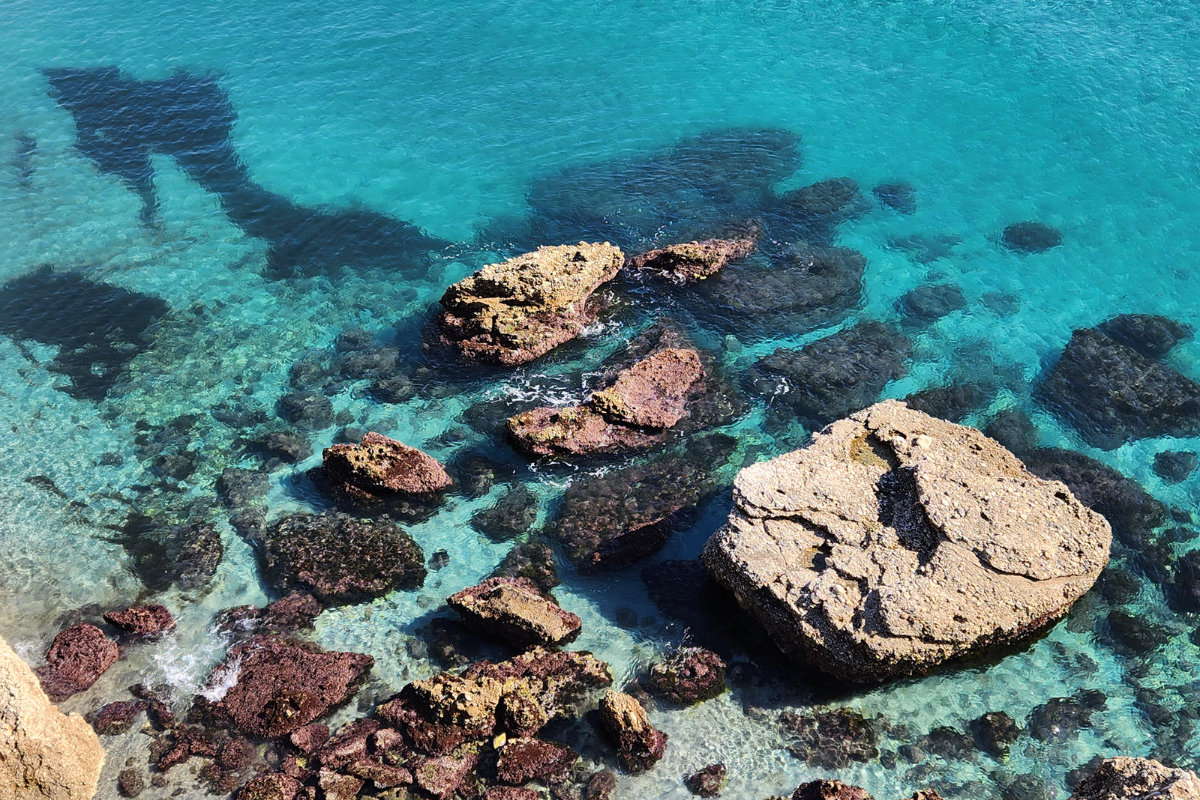
The charming town of Nerja is a true treasure, offering an enchanting blend of natural beauty, rich history, and a relaxed coastal atmosphere. Known for its sparkling « Diamond Water », Nerja is a place where the Mediterranean Sea meets breathtaking landscapes, making it a perfect getaway for nature lovers and beach enthusiasts alike. The highlight of Nerja is undoubtedly its beaches with crystal-clear waters that shimmer like diamonds under the sun. The sea in Nerja is known for its exceptional clarity, especially in the Playa de Burriana area, where visitors can enjoy golden sand and calm, turquoise waters. The « Diamond Water » is not just a figure of speech; it refers to the stunning transparency and vivid blue color of the sea, which is a result of the purest water quality in the Mediterranean. Whether you’re swimming, snorkeling, or simply strolling along the shoreline, the mesmerizing waters of Nerja provide a sense of tranquility and beauty that is hard to match. Nerja is also famous for its Caves of Nerja (Cuevas de Nerja), one of the most important natural attractions in Spain. These prehistoric caves are home to some of the oldest cave paintings in the world, dating back over 42,000 years. The caves themselves are vast and filled with impressive stalactites and stalagmites, creating an otherworldly atmosphere. The Cueva de Nerja is a must-see for visitors, offering both a fascinating glimpse into history and an opportunity to marvel at the incredible natural formations. Wandering through Nerja’s old town is a delightful experience, with its whitewashed houses, narrow streets, and charming squares. The Balcon de Europa, a promenade perched above the cliffs, offers panoramic views of the town, the surrounding mountains, and the sparkling Mediterranean Sea. This iconic viewpoint is a great place to relax, take in the scenery, and watch the waves crash against the rocks below. For those who enjoy hiking and exploring nature, Nerja offers several scenic routes, including trails that lead to the Sierra de Tejeda, Almijara, and Alhama Natural Park, a vast area of rugged hills and lush greenery. The park is home to diverse flora and fauna, and hiking here offers an unforgettable way to experience the natural beauty of the region. Nerja’s historic landmarks add to its allure. The Iglesia El Salvador, with its traditional Andalusian architecture, is a peaceful place to visit, while the Plaza de España is a lively spot to enjoy a coffee or tapas in the shade of orange trees. In conclusion, Nerja is a coastal gem that offers visitors a unique combination of stunning beaches, historical sites, and natural wonders. With its « Diamond Water, » dramatic landscapes, and charming old town, it’s a perfect destination for those seeking both relaxation and adventure. Whether you’re exploring the caves, soaking up the sun on its pristine beaches, or enjoying a leisurely stroll along the Balcon de Europa, Nerja is sure to leave you with unforgettable memories.
Discovering Ronda – A Jewel of Andalusia
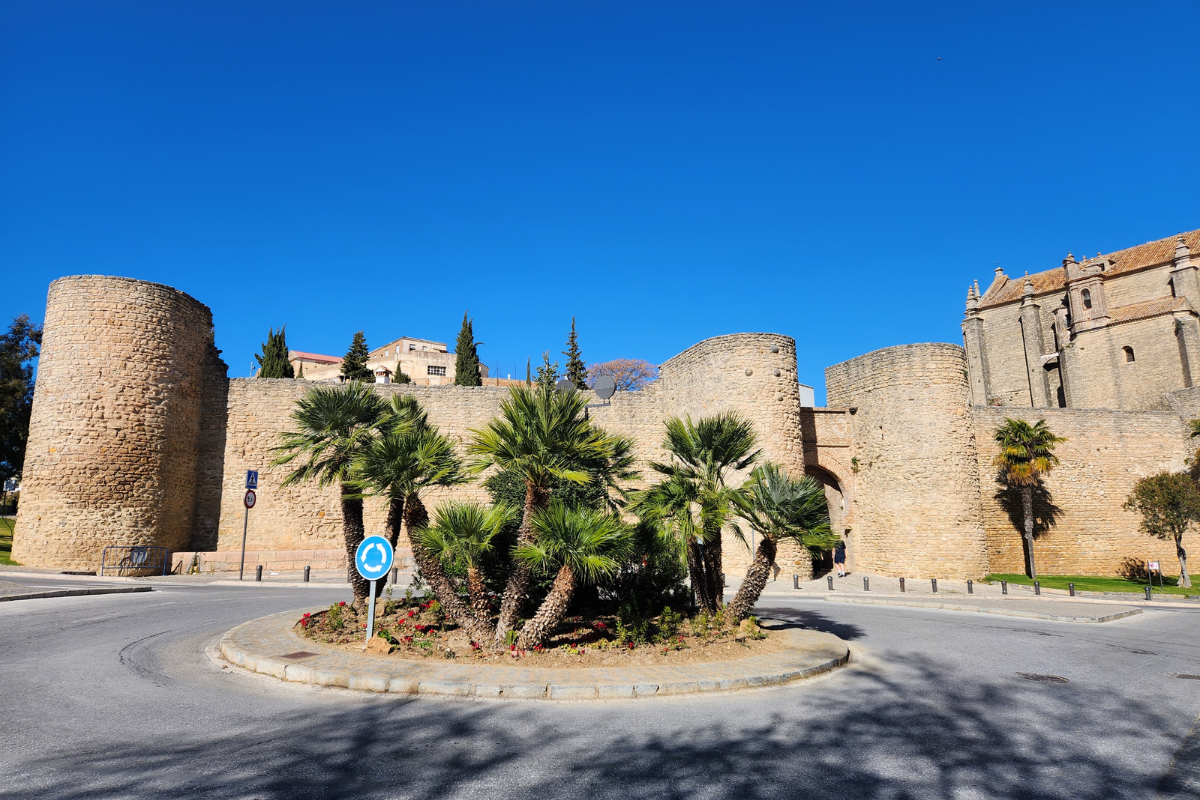
Nestled high in the mountains of Andalusia, Ronda is one of the most picturesque and historically significant towns in Spain. Known for its dramatic cliffs and stunning landscapes, Ronda is a must-visit destination that offers a unique blend of rich history, charming streets, and breathtaking views. The town is most famous for its impressive Puente Nuevo (New Bridge), which spans the El Tajo Gorge. This remarkable feat of engineering, built in the 18th century, offers spectacular views of the gorge and the surrounding countryside. Standing at the edge of the bridge, visitors can enjoy panoramic vistas that seem to stretch endlessly into the distance. The bridge is a symbol of Ronda, and crossing it gives you a sense of awe for the natural beauty and architectural ingenuity of this town. Ronda’s old town is a maze of narrow, winding streets filled with whitewashed houses adorned with colorful flowers. Walking through the La Ciudad neighborhood, you’ll encounter historical landmarks like the Iglesia de Santa Maria la Mayor, a stunning church that blends Gothic, Moorish, and Renaissance architectural styles. The church is built on the site of a former mosque, and its beautiful interior is worth a visit. For those interested in history, Ronda’s bullring is one of the oldest and most significant in Spain. The Plaza de Toros was built in 1785 and is a beautiful example of neoclassical architecture. Ronda is often considered the birthplace of modern bullfighting, and the bullring offers a fascinating glimpse into the traditions of this controversial Spanish pastime. The attached museum provides further insight into the history of bullfighting and its cultural importance in Andalusia. For nature lovers, Ronda is a gateway to the stunning Sierra de las Nieves Natural Park, which is perfect for hiking, mountain biking, and exploring the diverse flora and fauna of the region. The park’s dramatic landscapes and peaceful atmosphere make it an ideal destination for those looking to escape into nature. Another must-see in Ronda is the Banos Arabes, the remains of the town’s medieval Moorish baths. These well-preserved structures date back to the 13th century and provide a fascinating glimpse into the town’s Moorish heritage. The baths are located near the town’s historic center and are a great spot to explore if you want to learn more about Ronda’s Islamic past. The town is also home to several charming plazas and gardens where you can relax and enjoy the Andalusian atmosphere. The Jardines de Cuenca, located near the edge of the gorge, offers beautiful views of the surrounding area and is a peaceful spot to take in the natural beauty of Ronda. In conclusion, Ronda is a town that combines breathtaking natural landscapes with a rich cultural and historical heritage. Whether you’re admiring the views from the Puente Nuevo, exploring its ancient streets, or learning about its bullfighting traditions, Ronda offers a unique and unforgettable experience for visitors. It’s a place where history and nature come together in perfect harmony, making it one of the most unforgettable destinations in Andalusia.
Turelbaach Castle – An Unexpected Discovery in the Heart of Luxembourg’s Countryside
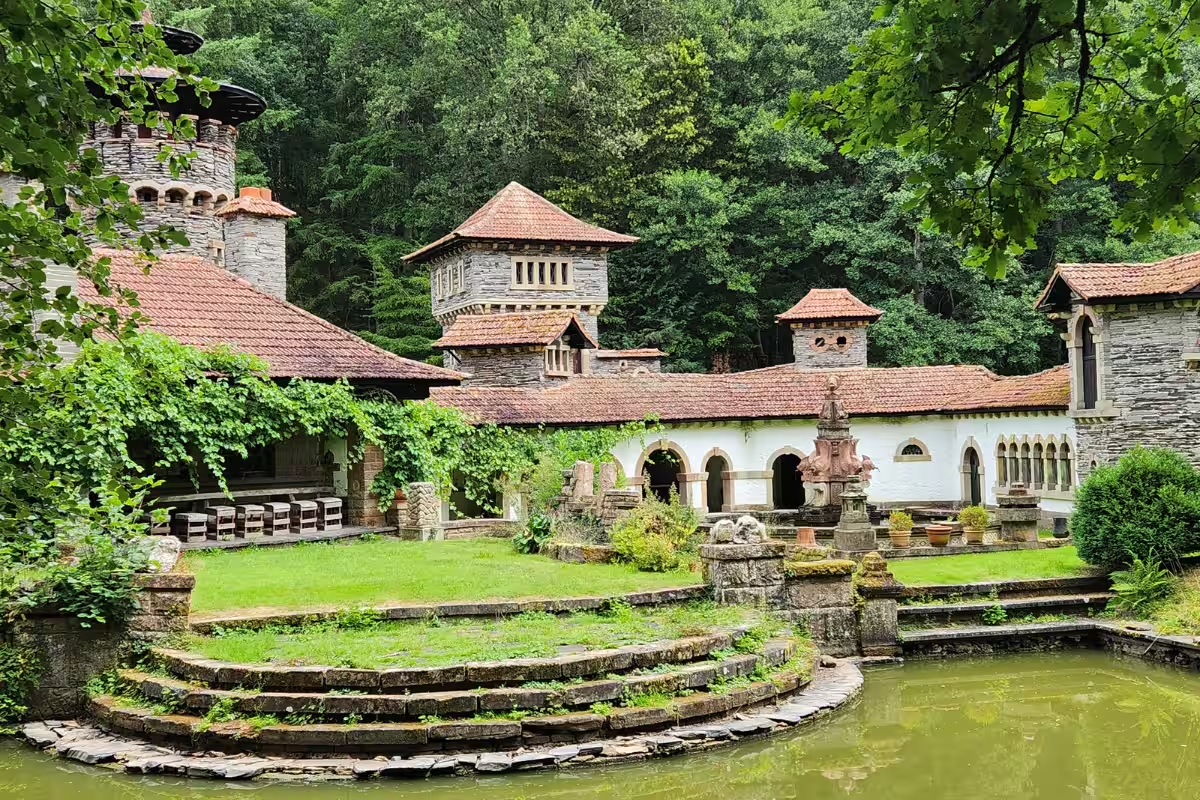
On a sunny afternoon, we took advantage of a lovely walk around Grousbous, a peaceful area in Luxembourg we hadn’t explored before. The air was mild, the nature still green despite the season, and our son was thrilled to run along the little paths surrounded by fields and forests. There’s something special about wandering with no particular destination, taking time to observe, breathe, and let the surprises unfold. And that’s exactly what happened: while continuing our walk without a set plan, we stumbled upon a place that immediately captivated us with its tranquility and understated beauty – Turelbaach Castle. Nestled in a small valley near the village of Wahl, this castle is almost hidden behind trees and hills. Its presence feels secretive, as though it’s only meant to be discovered by those who take the time to wander off the beaten path. The current building, simple and elegant in appearance, was built in the 19th century on the ruins of a medieval fortification. With its turrets, pale facade, and pointed roofs, it resembles more of a grand country house than an imposing castle – which is part of its charm. Though the castle isn’t open for tours as it’s a private property, it’s well worth the visit for what it offers: a serene, timeless atmosphere. We paused for a moment, sitting nearby to enjoy the calm and imagine life in this setting – horses, the changing seasons, and the families who have lived here over the years. Our son, as usual, let his imagination run wild: for him, it was clear – this was a castle of knights, with a hidden treasure and invisible dragons in the nearby forest! This simple but meaningful moment, spent in silence, with invented stories and peaceful beauty, will stay with us. Turelbaach Castle, though quiet and little-known, perfectly captures what Luxembourg offers to curious travelers: places rich in history, integrated with nature, accessible yet preserved. A stop we didn’t plan, but one we won’t forget. The exact address of Château de Turelbaach is: ORT Guttland, L-9168 Mertzig, Luxembourg
A Family Day at Luxembourg’s Natural History Museum – A Visit to Remember!
Some family outings leave a lasting impression — and our visit to the Natural History Museum Luxembourg was one of those unforgettable days. Nestled in the picturesque Grund district, this museum is a true gem for curious minds of all ages. From the moment we stepped inside, we were captivated by the elegant building and its peaceful atmosphere. The exhibits are thoughtfully designed and beautifully displayed — covering topics like paleontology, geology, biodiversity, and evolution. The interactive installations make science come alive, especially for young explorers. Our son was fascinated from the very beginning. He eagerly explored every corner, peered into the display cases, and excitedly shared his thoughts aloud. And then — something truly unexpected happened. While we were wandering through the museum, a RTL TV crew was filming a report about family visits. Our son, completely in his element, was noticed by the journalists. To our surprise, they asked if they could film him — and that’s how he ended up being featured on RTL’s news that very evening! Watching him on TV, smiling and confidently talking about fossils and dinosaurs, was an emotional moment for us. He was absolutely glowing with pride — and so were we. It’s not every day your child becomes the “star of the day” at a museum visit. The National Museum of Natural History isn’t just a place to see interesting things — it’s a space for learning, playing, and bonding as a family. The staff is friendly, the layout is accessible and kid-friendly, and the whole experience is designed to make science fun and engaging. If you’re visiting Luxembourg with children, or even living here and looking for something enriching to do, we wholeheartedly recommend this museum. It’s a great way to spend time together, learn something new, and maybe even have your own unexpected moment of magic. 📍 National Museum of Natural History (MNHN)25 Rue Münster, L-2160 Luxembourg🕰️ Open Tuesday to Sunday🔗 More info: https://www.mnhn.lu
A Generational Journey at the Tram and Bus Museum in Luxembourg
This past weekend, we shared a very special moment as a family by visiting the Tram and Bus Museum of the City of Luxembourg. More than just a fun outing for our two-year-old son, who is crazy about anything with wheels, it was also a way to connect three generations through a shared story: that of public transport, hard work, and family pride. From the moment we stepped inside, our little boy’s eyes lit up. Classic buses, vintage trams, and old ticket machines surrounded us, and he could hardly contain his excitement. He climbed into each vehicle, pretended to drive them, and explored every corner with endless energy. For him, it was like stepping into his favorite cartoons—except this time, everything was real. But behind the fun, this visit held deeper meaning for me. My father started working when he was just 15 years old. His entire career was built around vehicles, public service, and manual labor. Visiting this museum with my son was a way to introduce him—through experience and emotion—to the work of his grandfather. I wanted him to understand that behind every bus, behind every seat and steering wheel, are stories of effort, people who wake up early and dedicate their lives to serving others. The museum itself is small but packed with treasures: beautifully restored vehicles from the early days of Luxembourg’s transport system, authentic driver uniforms, vintage ticketing machines, detailed signage, and even a large model of the tram network. The volunteers on-site were incredibly kind and knowledgeable, sharing stories about how the city once relied on trams and how the bus network evolved over the years. It felt like time stood still. I watched my son run between the vehicles, filled with wonder, and I couldn’t help but think about my father doing this kind of work day after day, with dedication and pride. It made this experience not just educational, but deeply personal and emotional. To top it all off, right next to the museum, there’s a lovely outdoor playground where children can play safely and let off steam. It was the perfect way to round off the visit—while we took a break, our little boy kept pretending he was still on a bus, waving and laughing. 📍 Tram and Bus Museum of the City of Luxembourg63 Rue de Bouillon, L-1248 Luxembourg🕐 Open one Sunday per month. More info: https://www.musee-tram-bus.lu