
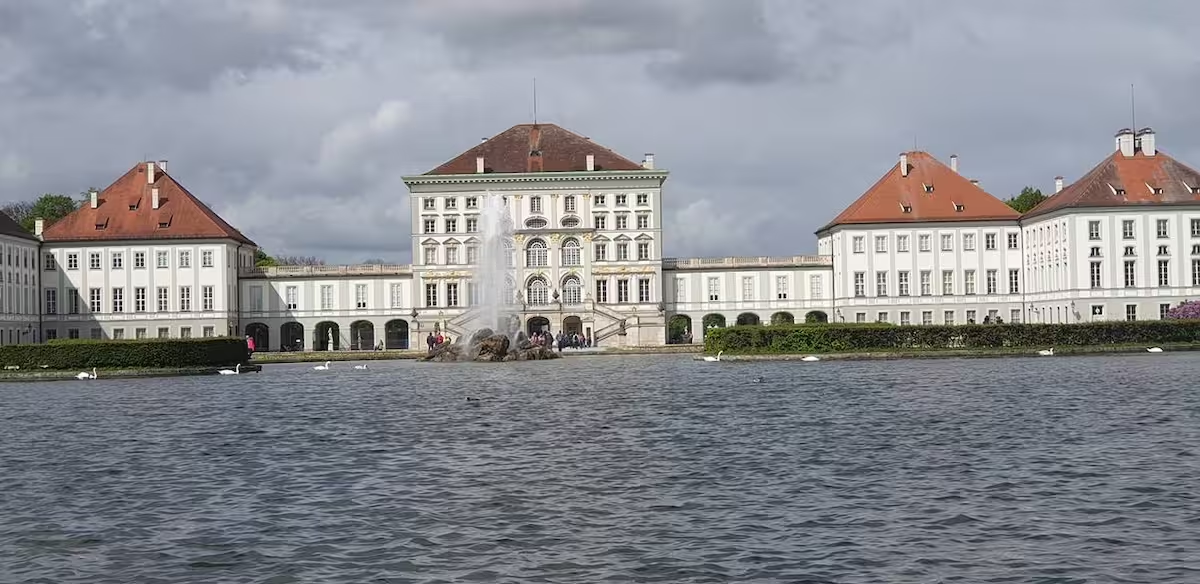
Strolling through the western part of Munich, I found myself drawn to a palace that seems to emerge from a storybook: Schloss Nymphenburg. Its pale yellow façades, crowned with elegant domes and surrounded by sprawling gardens, radiate a quiet grandeur. Unlike the imposing and somewhat austere Munich Residence, Nymphenburg exudes charm, inviting visitors to explore both the beauty of its interiors and the serenity of its park.
Built in the 17th century as a summer residence for the Electors of Bavaria, Nymphenburg quickly became more than just a seasonal retreat. It was a symbol of power, taste, and refinement. Walking through its gates, I felt transported back to an era where art, architecture, and nature intertwined perfectly to celebrate the elegance of the Bavarian court.
The palace is not a single cohesive structure; it is a series of pavilions, wings, and galleries, each reflecting the tastes of different rulers across centuries. From the Italian Baroque foundations to the Rococo interiors that dazzle with pastel colors and gilded stucco, Nymphenburg feels like a living story of artistic evolution. Every room tells a tale, and every hall reflects the ambitions of the Wittelsbach dynasty, who left an indelible mark on Bavaria.
One of the highlights for me was the Marstallmuseum, the former royal stables turned museum. The collection of ceremonial carriages, sleighs, and equestrian equipment is astonishing. Each piece is not only beautifully crafted but also a testament to the ceremonial life of the court, where even transportation was an expression of prestige. Walking among the gilded carriages, I could almost imagine parades through Munich, with horses prancing and bells ringing.
Inside the palace, the Gallery of Beauties, commissioned by King Ludwig I, stands out. Portraits of women from various social backgrounds, painted by Joseph Stieler, line the walls, each capturing elegance, charm, and personality. It’s a gallery that goes beyond mere decoration; it offers a glimpse into the human stories and ideals of beauty cherished by the Bavarian court.
The palace gardens deserve just as much admiration. Stretching over 490 acres, they are a masterpiece of landscape architecture, combining formal French-style gardens with naturalistic English-style parkland. Walking along the canals, fountains, and tree-lined avenues, I felt a rare sense of calm. Hidden pavilions, small lakes, and carefully sculpted statues create moments of surprise at every turn, making the gardens not just a backdrop but an integral part of the Nymphenburg experience.
Visiting Schloss Nymphenburg is also a lesson in historical resilience. While some parts suffered during wars, the palace has been carefully preserved and restored, allowing visitors to experience its original splendor. From the ornate ceilings and lavish rooms to the serene beauty of the park, the palace embodies the elegance and sophistication of Bavaria’s past.
Leaving Nymphenburg, what stayed with me was not only its grandeur but its harmony—a perfect balance of architecture, art, and nature. Unlike the more formal city palaces, it feels like a place where people lived, celebrated, and enjoyed the beauty of life. It is a palace that invites exploration, contemplation, and admiration, and a true jewel of Bavarian culture.
Visiting Schloss Nymphenburg: Tips and Information
- Address: Schloss Nymphenburg, Schloss Nymphenburg 1, 80638 Munich, Germany
- Opening Hours: Palace 9:00 AM – 6:00 PM, Gardens 6:00 AM – 8:00 PM (check official website for seasonal changes)
- Tickets: Palace €11–€15, reduced rates available; gardens free
- Tips:
- Allocate at least 3 hours to explore the palace, Marstallmuseum, and gardens.
- Comfortable walking shoes are recommended.
- Photography allowed in most areas (restrictions may apply).
- Guided tours or audio guides enhance understanding of history and art.
- Visit early in the day to enjoy the gardens peacefully and avoid crowds.