

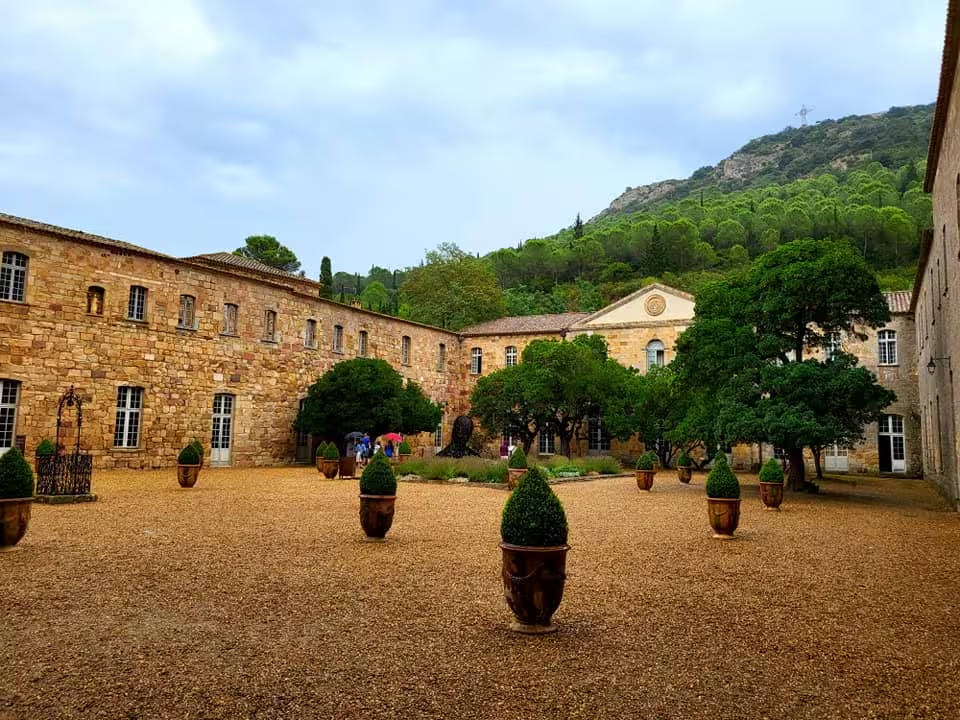
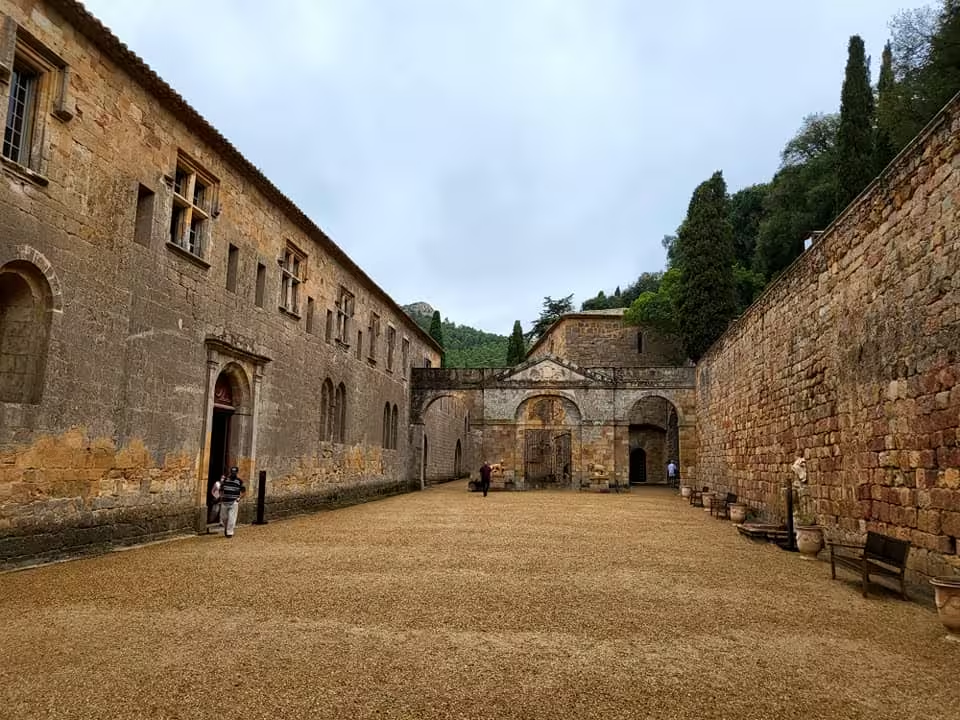
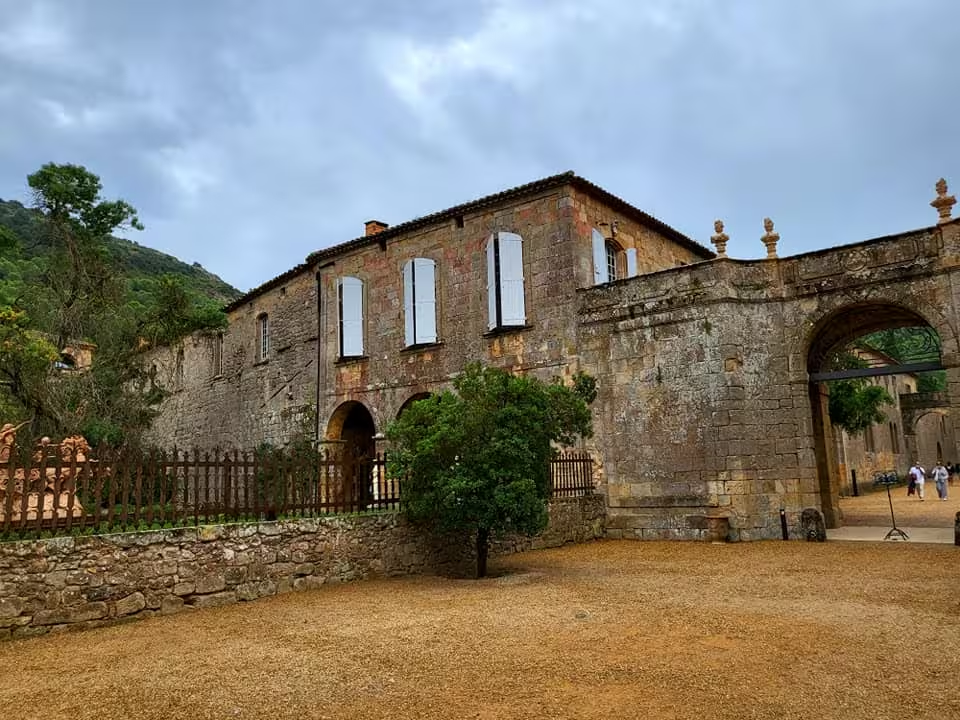
Hidden in a quiet valley just outside Narbonne, the Abbaye de Fontfroide is one of the best-preserved Cistercian monasteries in France and a place where history, spirituality, and natural beauty blend seamlessly. Founded in 1093, the abbey first followed the Benedictine rule before becoming part of the Cistercian order in the 12th century, at a time when Cistercian monks spread across Europe, promoting simplicity, prayer, and manual labor. Throughout the Middle Ages, Fontfroide flourished, thanks to generous donations from local nobility, its vineyards, and the dedication of its monks, who transformed this secluded valley into a center of religious and cultural life.
The abbey is not just a relic of the past but a living monument, carefully restored and maintained, where visitors can experience the serenity that once defined monastic life. As you walk through its vast stone walls, you discover the magnificent Romanesque church, with its pure lines and harmonious proportions, an ideal setting for contemplation. Adjacent to it lies the cloister, the true heart of the abbey, an architectural jewel where slender arcades and delicately carved capitals frame a tranquil garden. It was here that the monks would gather for meditation, readings, and silent prayer, the rhythm of their days punctuated by the sound of bells and chants.

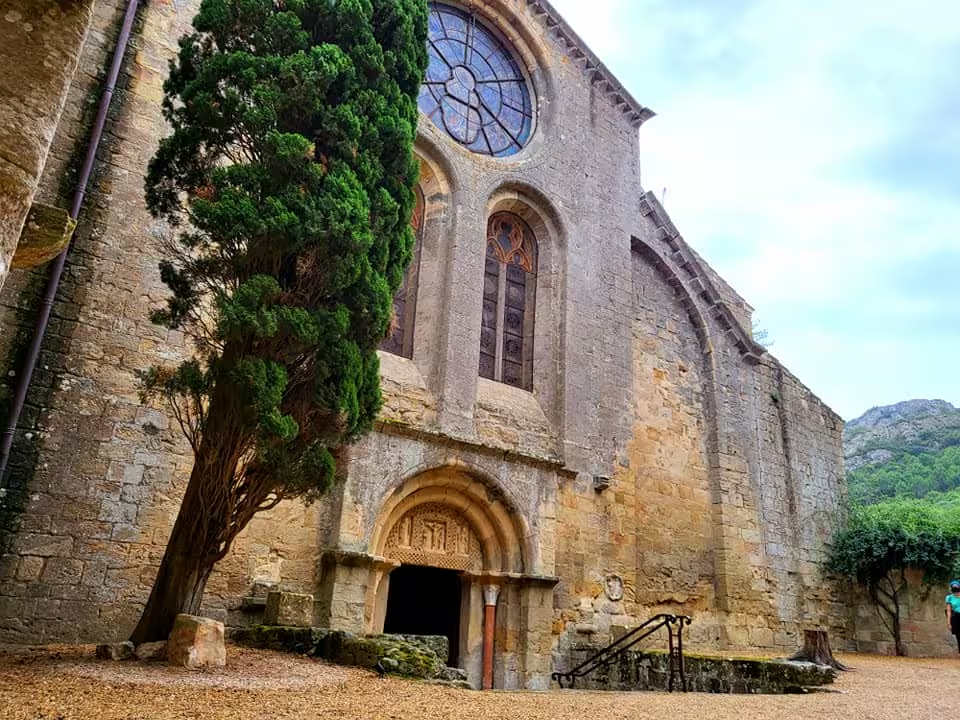
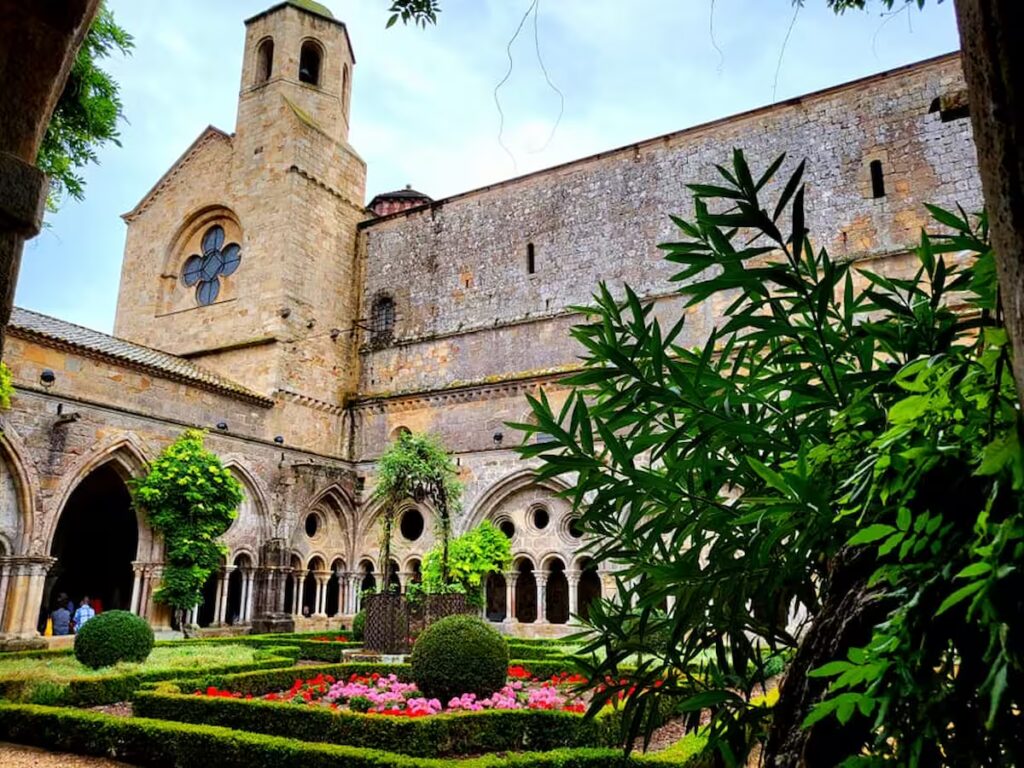
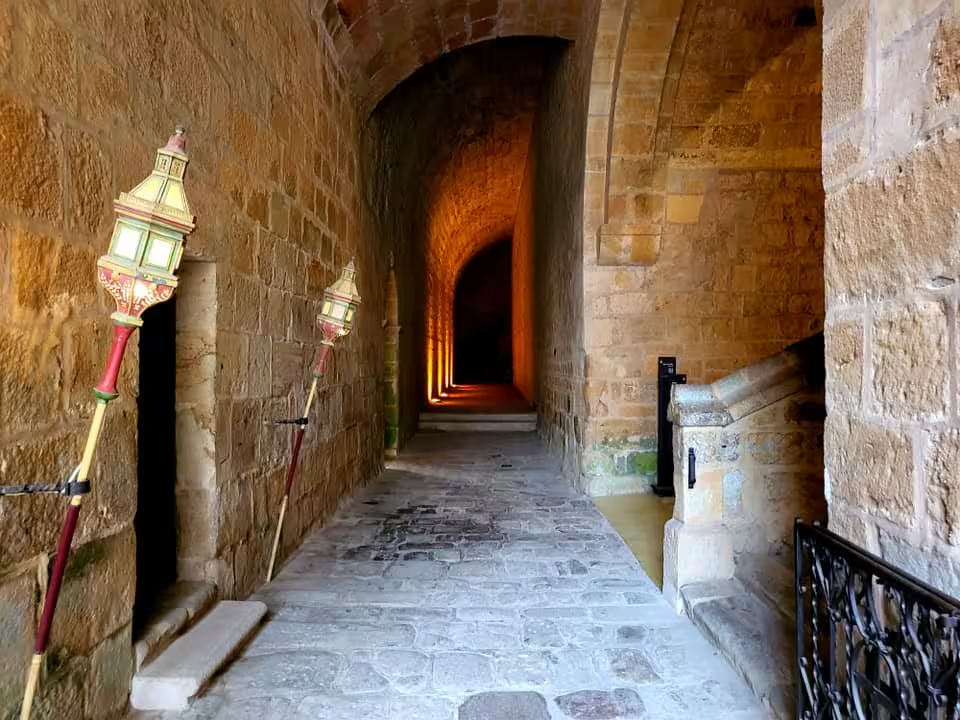
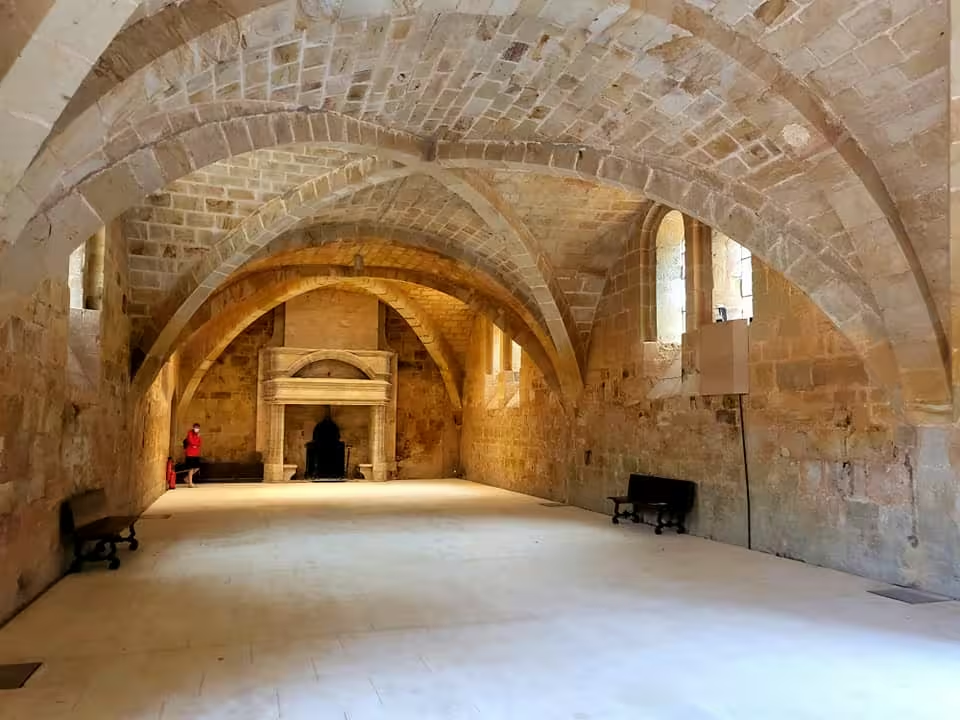
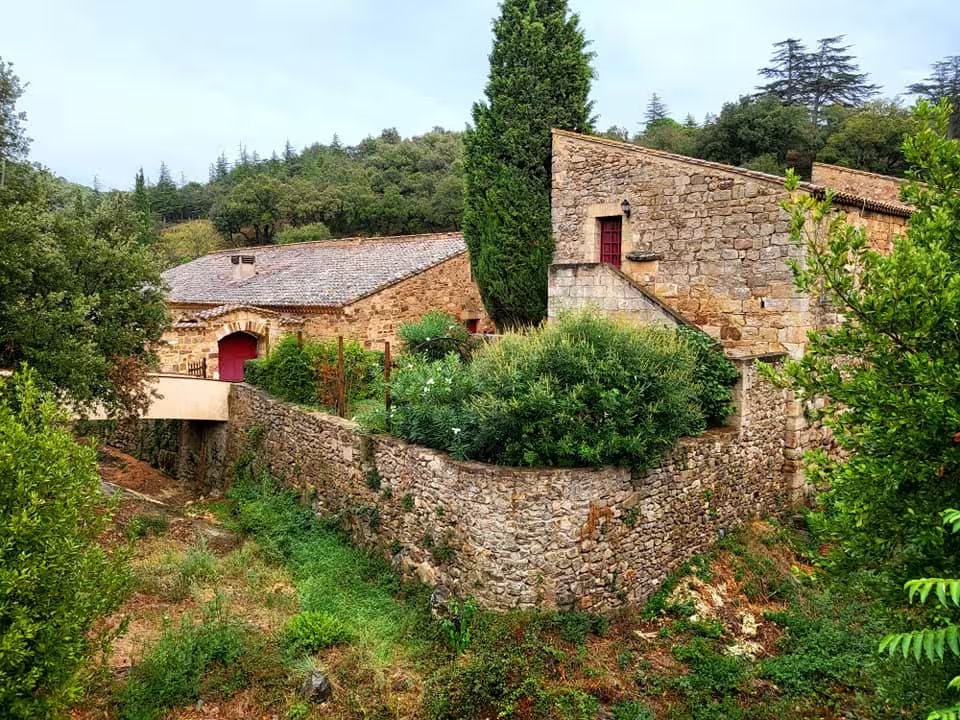
Beyond the cloister, the abbey unfolds in a series of beautifully preserved spaces that reflect the daily life of the monastic community. The chapter house, where decisions were taken and rules read aloud, resonates with echoes of centuries of discipline and devotion. The dormitory, austere yet spacious, reveals the simplicity of the monks’ existence, while the refectory still conveys the sense of silence and humility that accompanied each shared meal. Every corner of Fontfroide seems imbued with an atmosphere of calm and timelessness, as if the stones themselves were whispering stories of faith and perseverance.
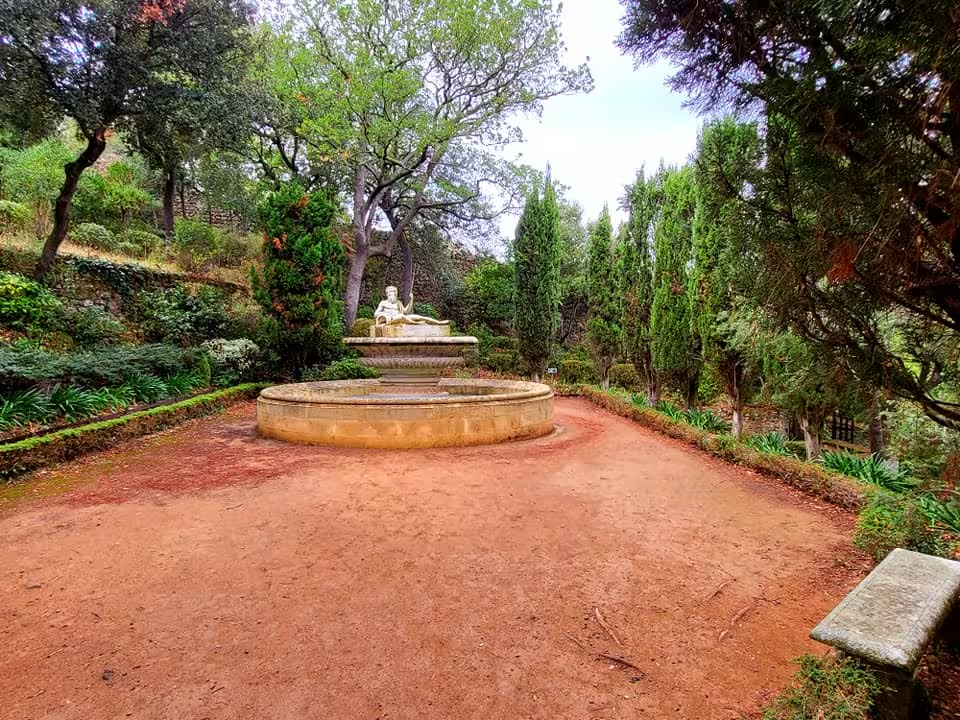
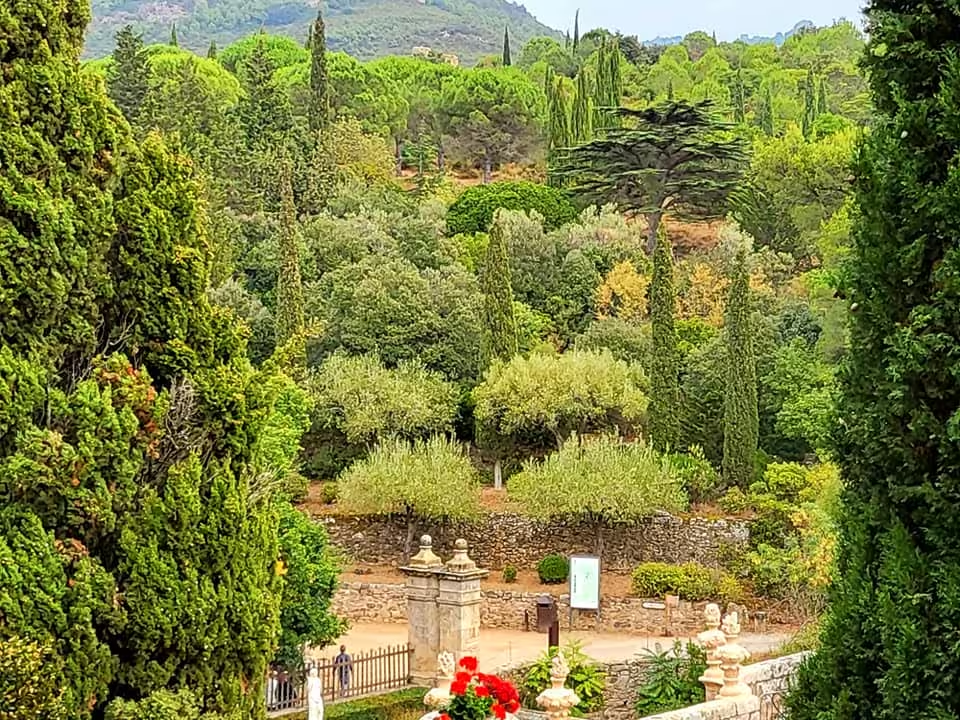
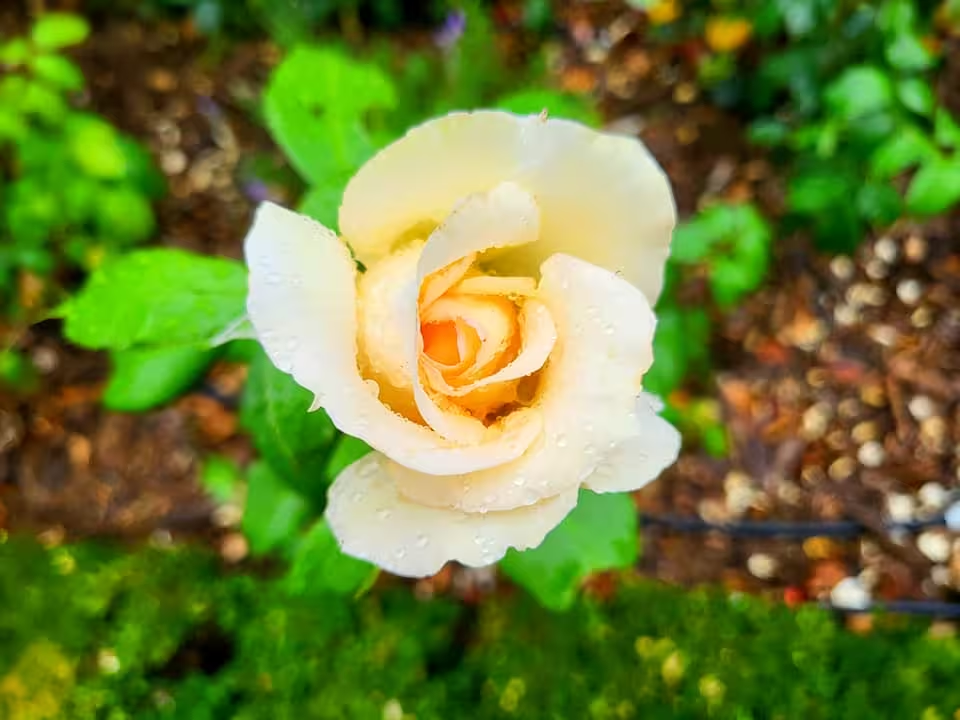
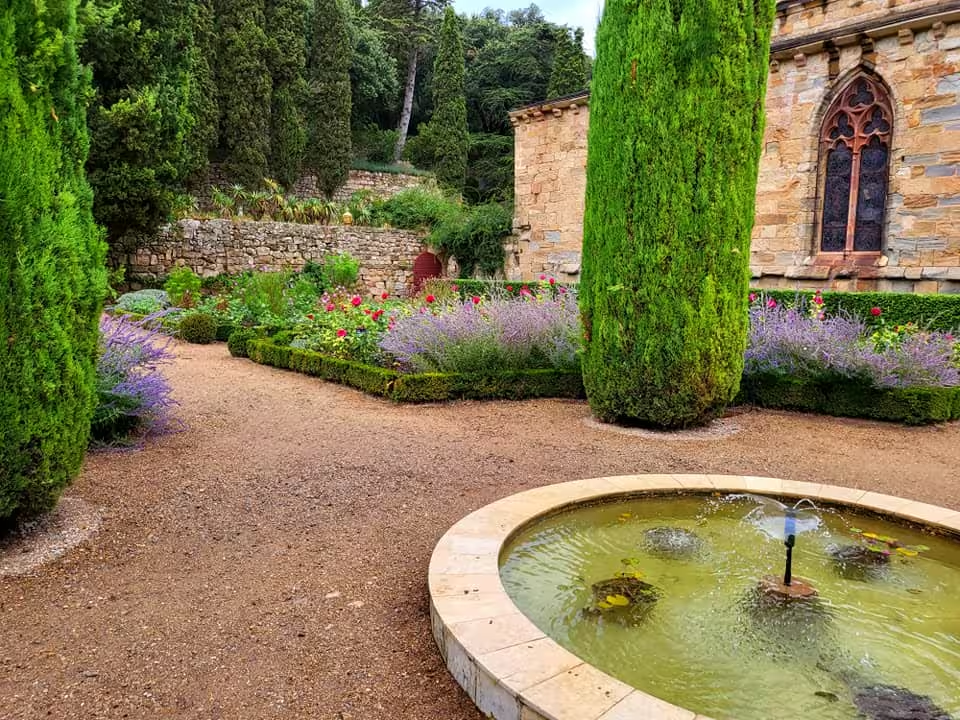
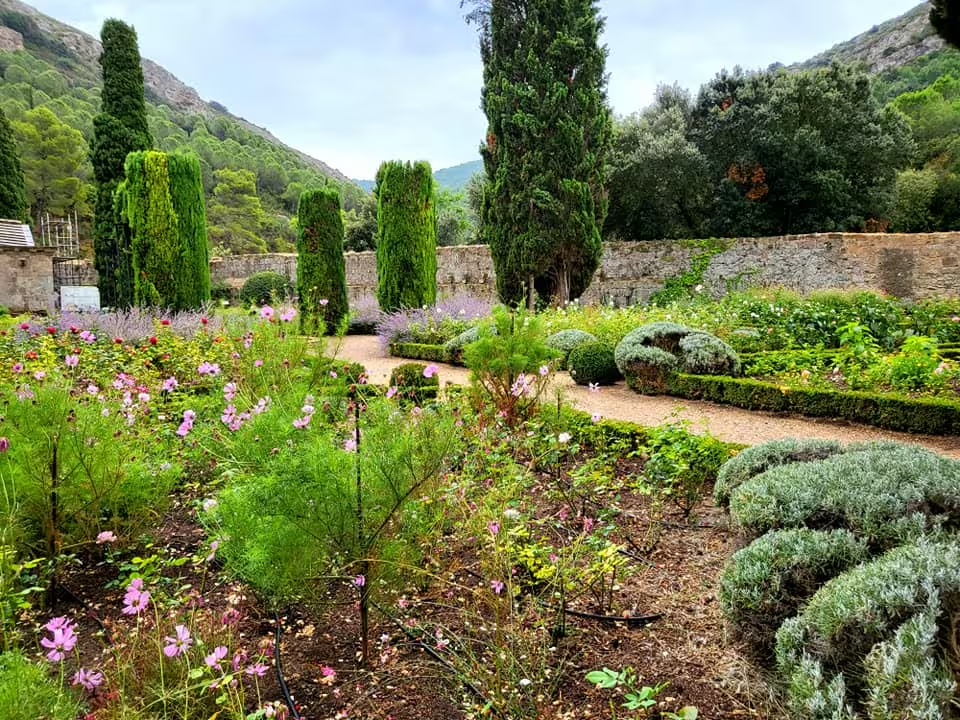
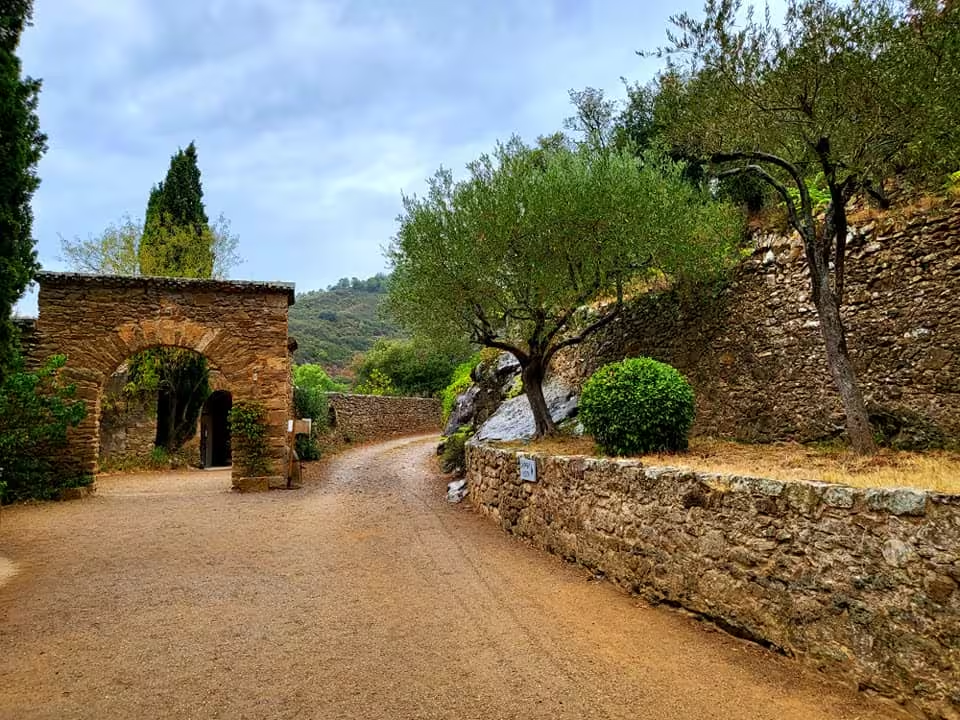
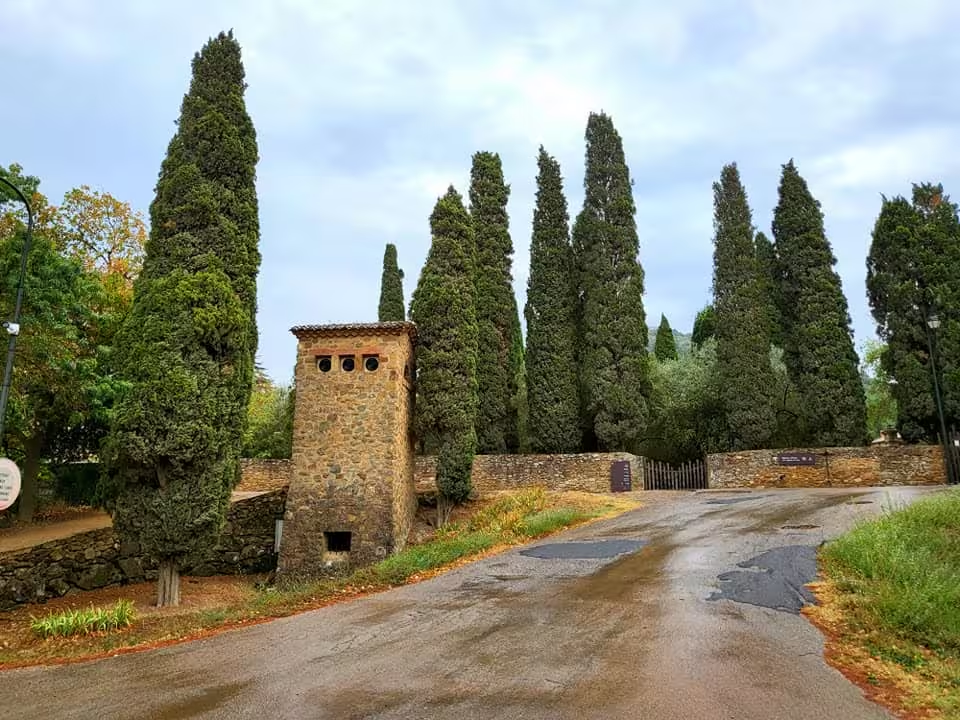
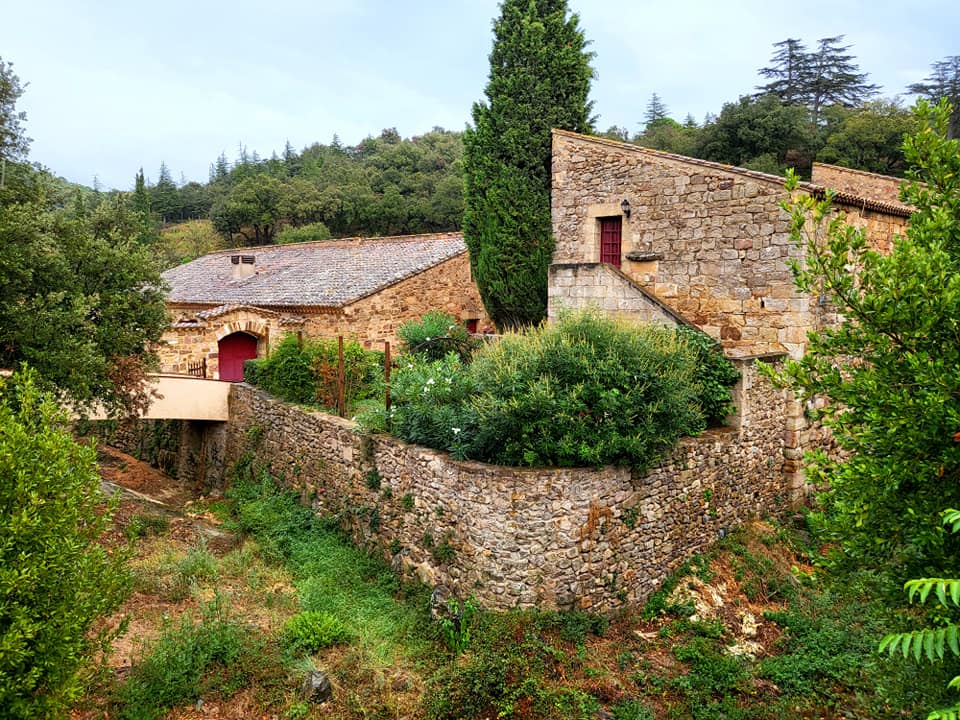
Yet the abbey is not frozen in time. Its stunning gardens are today a highlight of any visit, carefully designed and maintained to enhance the experience of peace and beauty. Terraces filled with roses, Mediterranean plants, and cypress trees invite visitors to stroll and breathe in the fragrances of the south. The surrounding hills are home to vineyards that continue a tradition dating back to medieval times, producing wines that are directly linked to the abbey’s heritage. Fontfroide is also renowned for its cultural life, hosting concerts, exhibitions, and festivals throughout the year, where the exceptional acoustics of the church and cloister offer a magical setting for music and art.
The abbey’s history is not only one of spirituality and art but also one of turbulence. During the Albigensian Crusade in the early 13th century, Fontfroide played a central role in combating the Cathar heresy that spread across the Languedoc. Its monks were directly involved in preaching and defending Catholic orthodoxy, making the abbey an influential religious and political force. Over the centuries, despite wars, plagues, and the decline of monastic orders, Fontfroide endured, later being restored in the late 19th century by private owners who saved it from ruin and opened it to the public.


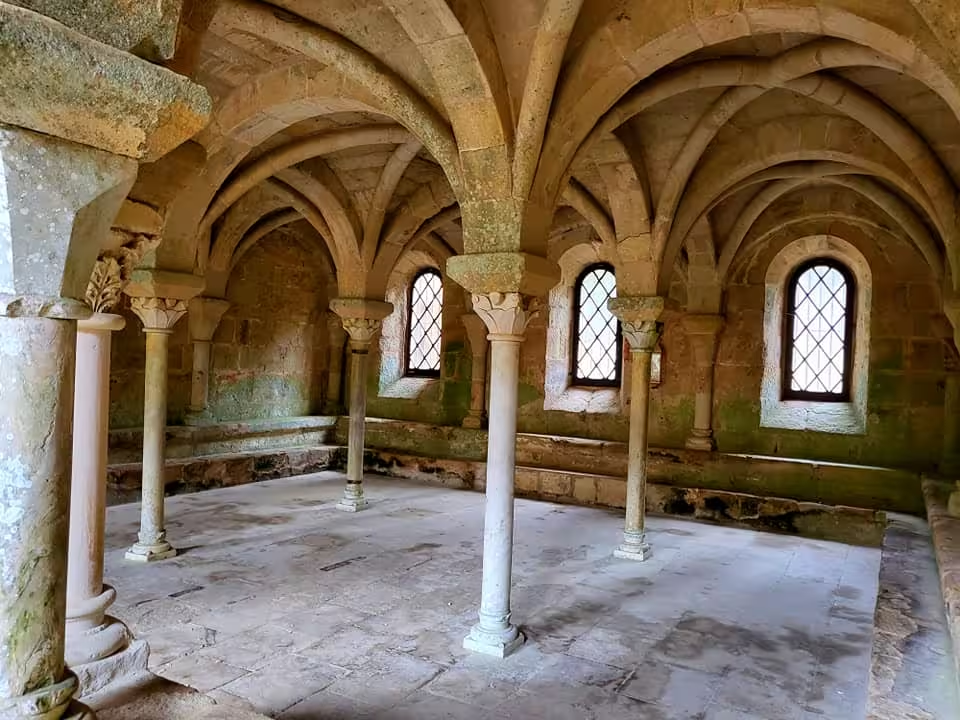
Visiting the Abbaye de Fontfroide today is an experience that goes beyond a simple historical tour. It is a journey into the soul of the Middle Ages, into the daily rhythm of monks who sought God in silence and work, and into the beauty of a place where stone and nature meet in perfect harmony. Whether you come for its history, its architecture, its gardens, or simply the peace it offers, Fontfroide leaves a lasting impression, inviting each visitor to pause, reflect, and connect with a heritage that continues to inspire across the centuries.


🏰 Address
Abbaye de Fontfroide
Route Départementale 613
11100 Narbonne, France
📍 GPS Coordinates: 43.1193° N, 2.8956° E
📞 Phone: +33 (0)4 68 45 11 08
🌐 Website: abbayedefontfroide.com
🚗 Parking & Access
- The abbey is located about 15 km southwest of Narbonne, easily accessible by car via the D613.
- Free parking is available directly at the abbey.
- If traveling without a car, taxis from Narbonne are an option, though the site is best reached by car.
✔️ Visitor Tips
- Plan enough time: Allow at least 2 hours to explore the church, cloister, gardens, and exhibitions.
- Guided tours: Highly recommended for a deeper understanding of the abbey’s history and architecture (check seasonal schedules in advance).
- Gardens & roses: The rose gardens are particularly beautiful in spring and early summer, making this the best time to visit.
- Accessibility: Most areas are accessible, though some parts may have uneven stone floors—comfortable shoes are advised.
- Cultural events: The abbey regularly hosts concerts, art exhibitions, and wine tastings—check the official calendar if you want to combine your visit with an event.
- Best time to visit: Early morning or late afternoon to enjoy the peaceful atmosphere with fewer crowds.
- Dining: There is a restaurant and tea room on site, offering local specialties and wines from the abbey’s vineyards.