
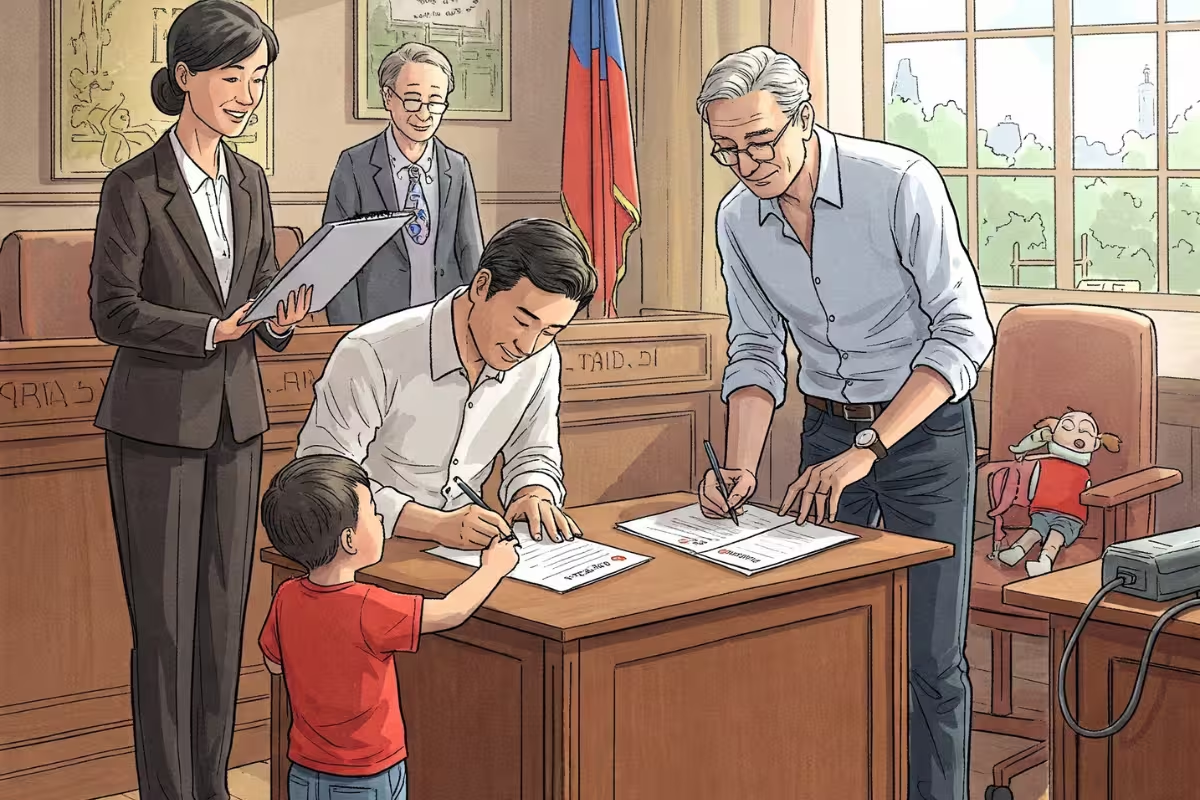
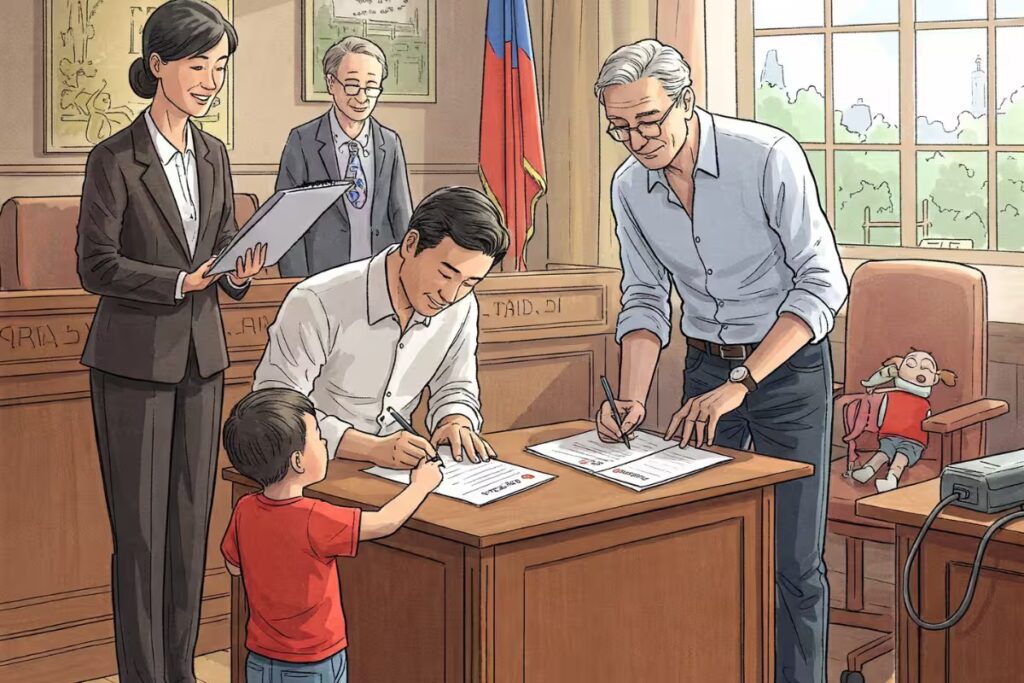
In Luxembourg, there is currently no official national form for parental authorization. However, that doesn’t mean you should travel without any proof of consent.
Although Schengen borders are often fluid, authorities in destination countries — especially outside the EU — may request clear documentation showing that the child is allowed to travel with someone other than their parents. Border agents are particularly vigilant in cases of different last names or when the adult is not a legal guardian.
📄 Documents You Should Always Carry
Here’s a detailed checklist of documents strongly recommended when a child is traveling abroad without their parents:
- The child’s valid passport or ID card
- For EU/Schengen travel: an identity card may be enough
- For travel outside the EU: a passport is mandatory
- Parental Authorization Letter (Travel Consent Letter)
- Handwritten or typed
- Signed by both legal guardians (parents)
- Includes:
- Full name and birth date of the child
- Full name of the accompanying adult(s)
- Travel dates and destinations
- Explicit permission to travel with the named adult(s)
- Copies of both parents’ identity cards or passports
- Proof of relationship
- A family record book (livret de famille), birth certificate, or legal guardianship document
- This is crucial if surnames differ
- Health documents
- European Health Insurance Card (EHIC)
- Vaccination card or COVID certificates (if applicable)
- Travel or medical insurance, if required by destination
- Emergency contact list
- Names, phone numbers, and addresses of parents/legal guardians
- Primary care doctor’s contact info (if possible)
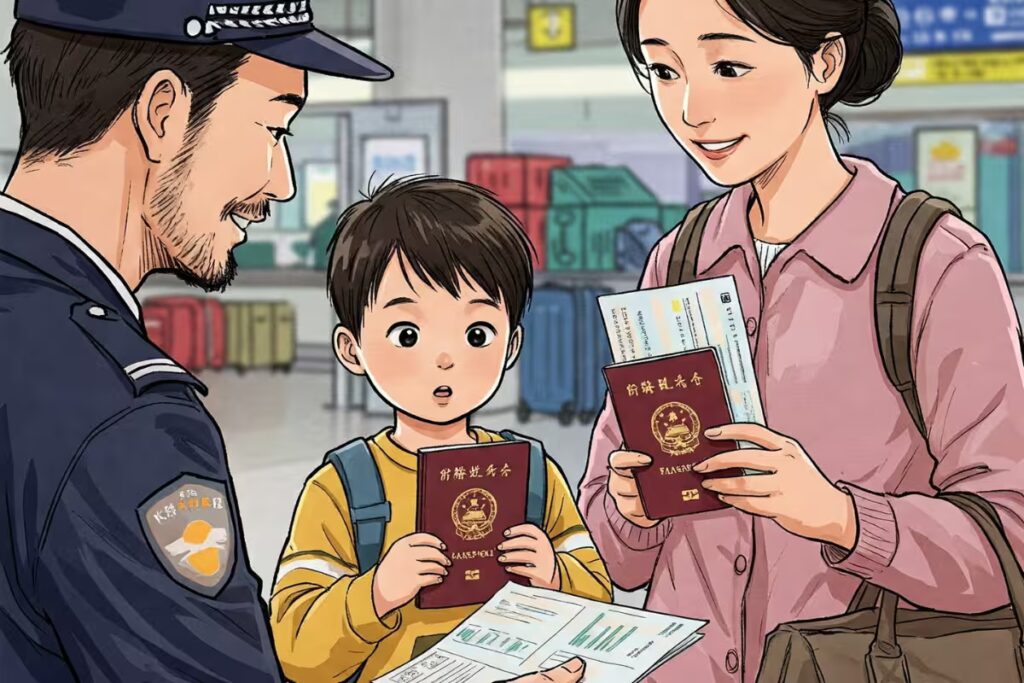
🧳 What About Transportation Rules?
Depending on how you’re traveling, additional requirements might apply:
By Plane
Airlines have strict policies on minors. Always check with the airline, especially if:
- The child is under 12 (many airlines require specific documentation or escort services)
- You’re transiting through non-Schengen countries
💡 Airlines like Luxair, Lufthansa, and Air France have specific “Unaccompanied Minor” (UM) programs — even if the child is with a relative.
By Train or Bus
Travel within the Schengen Area by train (e.g., TGV, CFL) or bus (FlixBus, BlaBlaCar) is generally less strict, but random border checks are still possible.
By Car
If you’re crossing a border by car, keep all documents easily accessible. Some countries (e.g., Switzerland or non-EU Balkan states) still perform regular border checks.
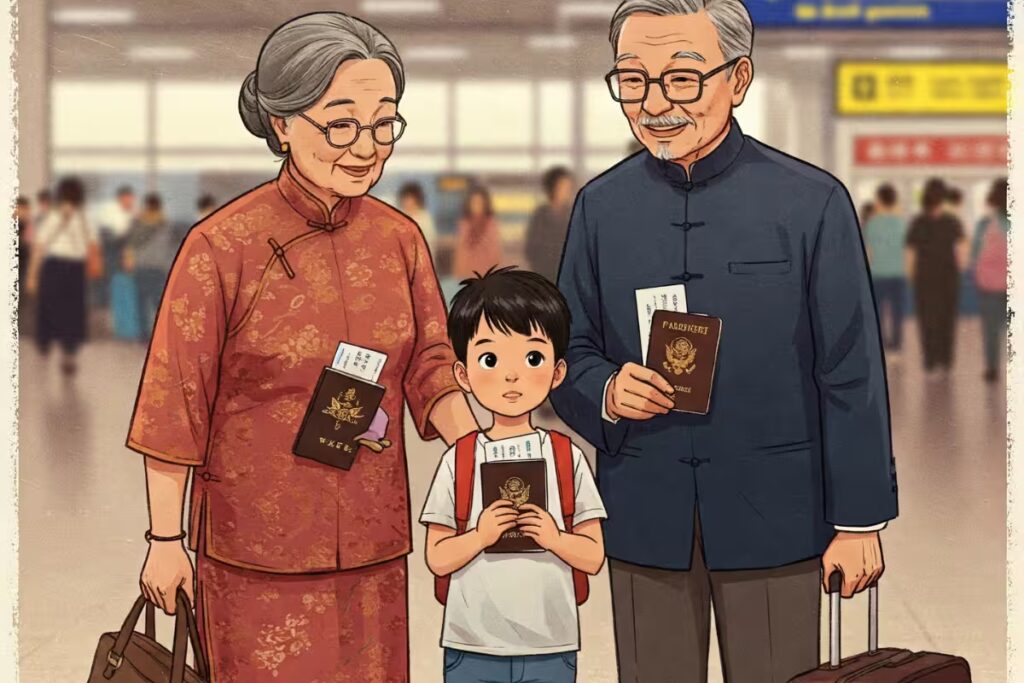
👨👩👧 Real-Life Example: A Weekend Trip with Grandma
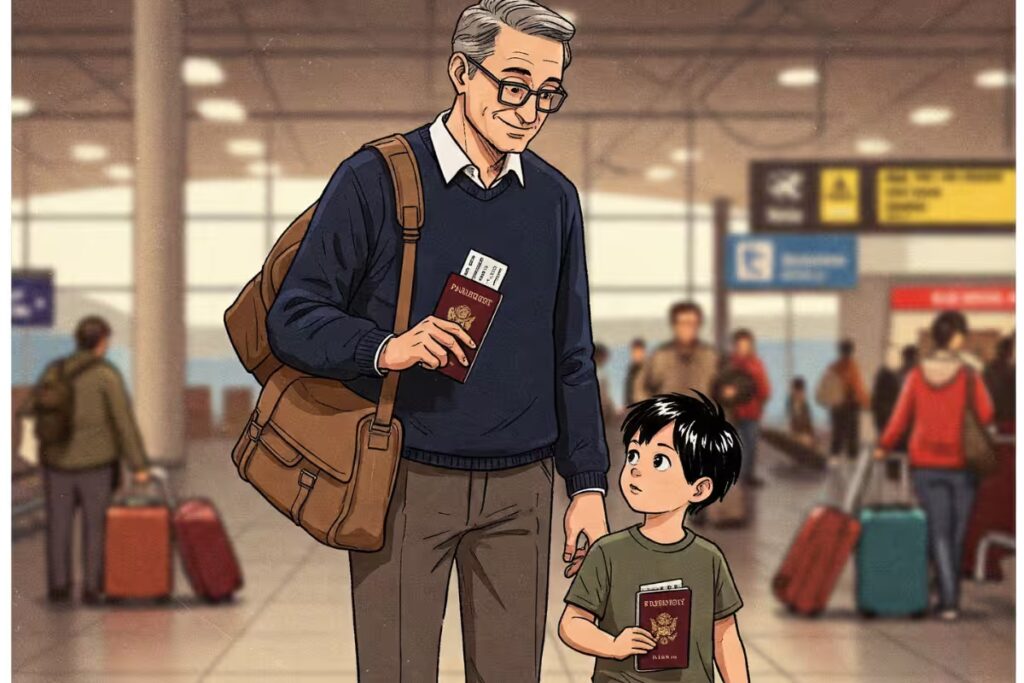
Let’s say you’re a grandparent taking your 10-year-old grandson to Alsace for the weekend. Although the trip is just two hours by car, border guards in France or Germany can still ask for written parental permission. Not having the correct documents can lead to being denied entry, delayed, or — in the worst case — referred to child protection authorities until the situation is verified.
That’s why a simple signed letter and a photocopy of the parents’ IDs can save you from unpleasant surprises.
💼 Other Useful Tips for a Smooth Journey
- Pack a medical summary with allergy info, medications, and dosage instructions
- Carry a power bank and phone numbers in both written and digital format
- Explain to the child the names of the people they’re traveling with and key safety instructions
- If traveling internationally, double-check vaccination or visa requirements
💬 Language Barriers
If you’re traveling outside Luxembourg to a country where neither French nor German is spoken, consider carrying a translated version of your documents (especially the consent letter). This is particularly important for destinations like Eastern Europe, Turkey, or North Africa.
In Conclusion
Traveling with a child who isn’t yours isn’t difficult — it just requires preparation. With the right paperwork, a bit of organization, and a lot of love, your family getaway can be as smooth as it is memorable.
Whether it’s a short cross-border trip or a longer international journey, always travel smart, safe, and informed.
Traveling Abroad with a Minor: What Authorization You Need
From Luxembourg:
In Luxembourg, there is no mandatory official form, but the Ministry of Foreign Affairs strongly recommends that a written parental authorization be carried when a minor travels without both parents.
✅ What the document should include:
- Full name and birth date of the minor
- Full name and relationship of the accompanying adult (grandparent, uncle, etc.)
- Travel destination and dates
- A written authorization signed by the parent(s) or legal guardian
- A photocopy of the signatory parent’s ID or passport
📄 Download sample form (French/English):
Authorization Template – Luxembourg Government PDF
From France (if you’re traveling via France or a French airport):
France requires an official authorization if a minor leaves French territory without a parent with legal custody.
📄 Mandatory form: Cerfa No. 15646*01
🖇️ Download here:
https://www.service-public.fr/particuliers/vosdroits/R46121
The document must be signed by the parent with authority and accompanied by:
- A copy of the parent’s ID
- The child’s ID or passport
From Belgium:
In Belgium, an authorization to leave the territory must be signed at the local town hall (commune) by a parent/legal guardian in front of a civil officer.
🖇️ More information:
https://www.belgium.be/en/family/children/traveling_with_children
🧳 Travel tips for minors accompanied by relatives:
When a child is traveling with a grandparent or family member:
- Carry a travel authorization signed by the parents
- Bring a copy of the family record book or birth certificate
- Include copies of the parents’ identity documents
- Carry any medical documents or prescriptions if needed